
close
Choose Your Site
Global
Social Media

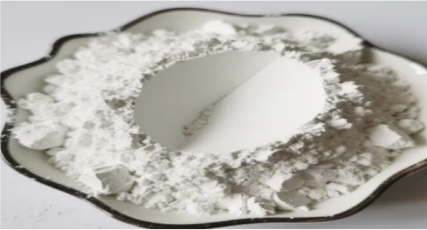
Quicklime, also known as calcium oxide (CaO), is one of the most widely used chemicals in various industries due to its versatility and effectiveness. A highly reactive substance, quicklime is produced by heating limestone (calcium carbonate) in a kiln, releasing carbon dioxide and leaving behind calcium oxide. This process gives quicklime its characteristic reactivity and makes it an essential component in many industrial applications.
The importance of quicklime cannot be overstated. Its unique chemical properties make it indispensable in a wide range of industries, from construction to environmental management, and even in chemical production. Whether it's neutralizing acids in industrial processes, acting as a fluxing agent in metal refining, or treating wastewater, quicklime’s applications are diverse and far-reaching. In this article, we will dive into the many uses of quicklime, explore why it’s such an important material, and how it contributes to various industries.
At www.cncalcium.com, we provide high-quality quicklime products that meet the rigorous needs of industries such as construction, water treatment, and manufacturing. Our quicklime is sourced from the highest quality limestone, ensuring exceptional performance in all its applications. Let's take a closer look at why people use quicklime and the many benefits it offers.
One of the most prominent uses of quicklime is in the construction industry, particularly in the production of cement and lime mortar. The reactivity of quicklime makes it a crucial ingredient in cement production, where it is combined with other materials to form a strong, durable product used in everything from residential homes to large-scale infrastructure projects.
Quicklime is used in lime mortars, where it provides excellent workability and bonding strength, especially in ancient and heritage buildings. Lime mortars have been used for thousands of years in the construction of historical landmarks, and their use continues today in conservation projects due to their ability to breathe, allowing moisture to escape from the structure and prevent damage over time. Additionally, quicklime is used in soil stabilization, improving the strength of soil foundations for roads, buildings, and other civil engineering projects.
Application | Benefits of Quicklime |
Cement production | Used as a key ingredient for high-strength cement production |
Lime mortar | Provides superior bonding, flexibility, and durability in masonry |
Soil stabilization | Improves soil strength and stability for construction foundations |
One of the most important uses of quicklime is in water treatment, where it plays a critical role in purifying drinking water and treating wastewater. Quicklime is highly effective in neutralizing acids and treating various impurities in water, making it safer for human consumption and less harmful to the environment. The primary mechanism through which quicklime works in water treatment is by adjusting the pH levels of water, helping to remove suspended solids, phosphates, and harmful heavy metals that can negatively impact water quality and pose health risks.
pH Adjustment: Quicklime helps to adjust the pH of acidic or alkaline water to a neutral level, which is crucial for maintaining water quality. When quicklime is added to water, it reacts with acids, neutralizing them and ensuring the water has the proper balance of acidity and alkalinity. This process is essential for preventing corrosion in water pipelines and equipment, as well as ensuring that the water is safe for human consumption.
Heavy Metal Removal: One of the significant advantages of quicklime in water treatment is its ability to bind with heavy metals, such as lead, mercury, and cadmium, and precipitate them out of the water. These heavy metals can be toxic to both aquatic life and humans if present in significant quantities. By removing these contaminants from the water, quicklime helps prevent pollution and ensures that the treated water meets environmental and health standards.
Suspended Solids and Phosphate Removal: Quicklime is also effective at removing suspended solids and phosphates from water. These substances can lead to water turbidity and eutrophication, which can harm aquatic ecosystems by reducing oxygen levels and promoting harmful algae blooms. Quicklime facilitates the coagulation and flocculation of these particles, making it easier to remove them during the filtration process.
Effective Sludge Treatment: Another critical application of quicklime in water treatment is in sludge treatment. During the water treatment process, waste materials such as sludge are created. Quicklime is used to dehydrate the sludge, reducing its volume and making it easier to handle and dispose of. By removing excess moisture from the sludge, quicklime helps prevent the spread of pathogens and reduces the environmental impact of sludge disposal.
Clarification and Disinfection: In addition to its ability to treat acidity and remove contaminants, quicklime helps improve the overall clarity of water by removing fine particulates and organic material. This leads to cleaner, clearer water that is more aesthetically pleasing and safer for consumption. The disinfection properties of quicklime also contribute to the overall quality of treated water, ensuring that harmful microorganisms are neutralized.
In the chemical industry, quicklime plays a critical role as a reactive agent in the production of several essential chemicals, including calcium hydroxide (slaked lime), calcium carbide, and sodium hydroxide. These chemicals are integral to various industrial processes and are used in manufacturing other vital products.
Calcium hydroxide, derived from quicklime, is widely used in water purification, helping to neutralize acids and remove impurities from water. It is also a key ingredient in the production of plastics and rubber, where it acts as a stabilizer and processing agent.
Calcium carbide, produced from quicklime, is essential for generating acetylene gas, which is used in welding and cutting applications due to its high-temperature flame. Moreover, calcium carbide serves as a chemical feedstock in the production of synthetic rubber and plastics, making quicklime indispensable in the petrochemical and manufacturing sectors. Thus, quicklime is a cornerstone of modern chemical manufacturing.
In agriculture, quicklime is often used to improve soil quality and increase crop yields. It is commonly used to neutralize acidic soils by raising the pH, making it more suitable for growing crops. The application of quicklime to acidic soil helps improve nutrient availability, which leads to better plant growth and higher agricultural productivity.
Quicklime is also used in fertilizer production. It is used to produce lime-based fertilizers, which help balance soil acidity and provide essential minerals to crops.
Application | Benefits of Quicklime |
Soil neutralization | Improves soil pH and nutrient availability |
Fertilizer production | Key ingredient in lime-based fertilizers |
Quicklime is widely used in environmental remediation processes. It helps neutralize and treat industrial waste, including acidic soils, acid mine drainage, and chemical spills. By applying quicklime, the acidity of contaminated environments can be reduced, making the area safe for rehabilitation and restoration.
In addition to neutralizing acidic environments, quicklime is used in carbon capture technologies where it reacts with carbon dioxide to form stable compounds. This helps reduce the amount of CO2 in the atmosphere, making quicklime an important material in efforts to combat climate change.
Quicklime’s versatility extends to various other industries, including steel production, where it is used as a fluxing agent to remove impurities from molten metal. It helps improve the quality of steel and iron, ensuring better strength and durability of the final products.
Quicklime is also used in glass manufacturing, where it helps improve the clarity and strength of glass products. Its ability to control viscosity during the glass-making process makes it an essential material for manufacturers of glass containers, windows, and other glass products.
Quicklime is a highly versatile material with a wide range of uses across various industries. From construction and water treatment to chemical manufacturing and agriculture, quicklime’s unique properties make it an indispensable substance in modern manufacturing processes. Its ability to neutralize acidity, increase soil productivity, and improve material strength makes it a valuable resource for a variety of applications.
At www.cncalcium.com, we offer high-quality quicklime products designed to meet the needs of industries that require reliable, efficient, and durable solutions. Whether you’re involved in construction, environmental management, or chemical manufacturing, our products are engineered to provide superior performance and help you achieve the best results. Reach out to us today to learn more about our quicklime offerings and how they can benefit your business.
1. What is quicklime used for?
Quicklime is used in various industries, including construction, water treatment, chemical manufacturing, and agriculture, due to its ability to neutralize acidity, improve soil quality, and facilitate chemical reactions.
2. How does quicklime improve water quality?
Quicklime is used in water treatment to neutralize acids, remove impurities like heavy metals, and treat sludge, ensuring safe and clean water for consumption and environmental release.
3. Is quicklime safe to handle?
While quicklime is an essential industrial material, it is highly caustic and should be handled with care. Protective equipment such as gloves, goggles, and masks should be used to prevent injury.
4. How does quicklime benefit agriculture?
In agriculture, quicklime is used to neutralize acidic soils, improve soil pH, and enhance nutrient availability, leading to better plant growth and higher agricultural yields.


