
close
Choose Your Site
Global
Social Media

Farmers have been using quicklime (calcium oxide) for centuries, recognizing its multiple benefits in improving soil health and promoting better crop yields. Quicklime is a versatile material that has long been employed in agriculture due to its ability to enhance soil quality, control pests, and improve nutrient availability for plants. But why exactly did farmers use quicklime, and how does it benefit their farming practices?
At www.cncalcium.com, we provide high-quality quicklime products designed to meet the needs of various agricultural applications. In this article, we’ll delve into the reasons farmers use quicklime, its agricultural applications, and the numerous benefits it offers to farming. By understanding how quicklime improves soil quality, you’ll see why it’s still an essential tool for modern agriculture.
Historically, quicklime was a popular product in farming, particularly for its ability to improve the pH of acidic soils, neutralize harmful elements, and increase the availability of nutrients. In the past, quicklime was commonly used to correct soil acidity and provide a more hospitable environment for plants, contributing to greater crop yields. It also had other applications, such as in pest control and as a base for various fertilizers. Let's explore these benefits in more detail.
Quicklime, chemically known as calcium oxide (CaO), is a highly reactive compound produced by heating limestone (calcium carbonate) in a kiln at high temperatures. When limestone is heated, it undergoes a process known as calcination, breaking down into quicklime and carbon dioxide. This process gives quicklime its highly alkaline and caustic properties, which makes it valuable in many industrial and agricultural applications.
In agriculture, quicklime is often used in the form of hydrated lime (calcium hydroxide) after it reacts with water. This version is safer to handle and more readily usable in various soil treatments.
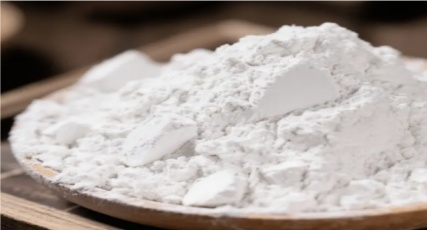
Farmers have used quicklime for a variety of agricultural purposes over the years, thanks to its effectiveness in soil management and overall farm productivity. Here’s a closer look at why quicklime became an essential tool for farmers:
One of the most significant reasons farmers use quicklime is for soil pH adjustment. Soils in many regions, especially those in humid climates or areas with heavy rainfall, tend to be acidic. Acidic soils have an abundance of hydrogen ions, which can make it difficult for plants to absorb essential nutrients such as nitrogen, phosphorus, and potassium. This inhibits plant growth, often leading to lower yields and unhealthy crops.
By applying quicklime, farmers can neutralize the excess acidity in the soil. Quicklime (calcium oxide) reacts with the hydrogen ions present in the soil, neutralizing the acidity and raising the soil's pH to a more neutral or slightly alkaline range. When the pH is raised, plant roots are able to access nutrients more efficiently. This allows for better overall growth and healthier plants.
Soil pH plays a crucial role in plant health. If the soil is too acidic, certain nutrients become less available, making it harder for plants to thrive. In contrast, a more neutral or slightly alkaline environment created by quicklime enhances nutrient availability, improves microbial activity, and helps maintain an optimal pH for plants. This is especially important for growing a wide range of crops, including vegetables, fruits, and grains, where a balanced pH is necessary for optimal growth.
Quicklime is particularly valuable in areas where soil acidity is a common issue. For example, regions with high rainfall often see leached soils that become increasingly acidic. By incorporating quicklime into their soil management strategy, farmers can significantly improve crop performance and soil health.
Beyond simply adjusting soil pH, quicklime plays a vital role in enhancing the availability of essential nutrients in the soil. Nutrients like calcium, magnesium, and phosphorus are essential for plant health and development. When the pH is too low (acidic), these nutrients can become less accessible to plants. Quicklime, when applied to the soil, not only neutralizes acidity but also helps to make these critical nutrients more available for absorption by plant roots.
For example, phosphorus availability is often hindered in acidic soils. By raising the pH to more neutral levels, quicklime improves the solubility of phosphorus, making it easier for plants to absorb. Similarly, calcium and magnesium, which are essential for strong cell walls and overall plant health, become more bioavailable when the pH is optimized.
In addition to improving nutrient availability, quicklime also increases the efficiency of fertilizers. When quicklime is applied, it helps the soil retain more nutrients, reducing nutrient leaching—the process where nutrients are washed away by rain or irrigation. This helps maximize the effectiveness of fertilizers and ensures that the nutrients stay within the soil longer, reducing the need for frequent applications and saving costs for farmers.
In areas with nutrient-poor soils, or where fertilizer efficiency is critical, quicklime is an invaluable tool for improving both soil health and agricultural productivity. By ensuring that the soil retains and delivers the nutrients plants need, quicklime plays a vital role in boosting crop yields and sustainability in farming practices.
Another benefit of using quicklime in agriculture is its ability to improve soil structure. Quicklime helps in breaking up compacted soil, allowing better water infiltration and root penetration. When applied to heavy, clay-rich soils, quicklime reacts with the clay particles to form more stable aggregates. This process improves soil structure by reducing compaction, enhancing aeration, and increasing drainage.
A soil that drains well is crucial for healthy plant growth, as it allows roots to access oxygen and water more efficiently. Furthermore, a well-structured soil retains nutrients better, preventing them from being washed away during heavy rains. This makes quicklime a valuable tool for farmers working with clay or heavy soils.
Quicklime has long been used for pest control in agriculture. It’s a natural disinfectant and can help reduce the population of harmful soil pests, such as fungi, bacteria, and certain insects. When applied to soil, quicklime increases its alkalinity, which can be harmful to many pests that thrive in acidic environments. This makes it a useful tool for controlling soil-borne diseases and pests, reducing the need for chemical pesticides.
Additionally, quicklime is sometimes used as a means of controlling weeds. The alkaline environment it creates can make it difficult for many weeds to germinate or thrive, especially those that prefer acidic soil. By inhibiting weed growth, quicklime helps reduce competition for nutrients, allowing crops to grow more efficiently.
Quicklime can also be used in composting and organic matter decomposition. When added to compost piles, quicklime helps break down organic matter more efficiently. It accelerates the decomposition process by raising the pH, which encourages the growth of beneficial microbes that help break down plant material. Additionally, it can help control odors associated with composting, making the process more manageable for farmers.
Benefit | Description |
Soil pH Adjustment | Quicklime neutralizes acidic soils, raising the pH to a more neutral or slightly alkaline range, enhancing nutrient availability and promoting plant growth. |
Enhancing Nutrient Availability | Quicklime improves the solubility of essential nutrients like phosphorus, calcium, and magnesium, making them more accessible to plants and enhancing growth. |
Improving Soil Structure | Quicklime helps break up compacted soils, improving aeration, drainage, and root penetration, especially in clay-rich soils. |
Pest and Weed Control | Quicklime creates an alkaline environment that helps reduce soil-borne pests and inhibits weed growth, reducing the need for chemical pesticides. |
Improving Composting | Quicklime accelerates organic matter breakdown in compost, enhances microbial activity, and reduces odors, improving the composting process. |
The use of quicklime in agriculture has proven to be a highly effective method for improving soil health, increasing crop yields, and promoting sustainable farming practices. By adjusting soil pH, enhancing nutrient availability, and improving soil structure, quicklime is an invaluable tool for farmers looking to optimize their land’s productivity. Whether you’re managing a small garden or a large-scale farm, understanding the benefits of quicklime can help you make informed decisions about your soil management practices.
Atwww.cncalcium.com, we offer top-quality quicklime products that help farmers improve their soil health and increase crop yields. For more information on how quicklime can benefit your farming practices, feel free to visit www.cncalcium.com.
1. How does quicklime improve soil pH?
Quicklime neutralizes soil acidity by reacting with hydrogen ions, increasing the soil’s pH level and making it more suitable for plant growth.
2. Can quicklime be used for all types of soil?
Quicklime is particularly beneficial for acidic soils. It’s ideal for adjusting the pH of soils that are too acidic, improving their fertility and structure.
3. How often should I apply quicklime to my soil?
The frequency of quicklime application depends on soil testing and the level of acidity. It’s typically applied once every 1-2 years, but soil testing is recommended to determine the specific needs of your soil.
4. Does quicklime harm the environment?
When used correctly, quicklime is an environmentally friendly product. It is natural and helps improve soil health, but improper application can lead to over-liming, which can harm soil ecosystems. Always follow recommended usage guidelines.


