
close
Choose Your Site
Global
Social Media

Quicklime, chemically known as calcium oxide (CaO), is a key substance in many industries, including agriculture. It's derived from limestone through the process of heating to high temperatures, a procedure that produces a fine, white powder. In the agricultural sector, quicklime is commonly used as a soil amendment to improve the quality of soil. But what exactly does quicklime do to soil, and how can it benefit agricultural practices?
When applied to soil, quicklime can have a significant impact on its structure, pH levels, and overall fertility. This makes it an essential tool for farmers and gardeners seeking to optimize their soil conditions for better plant growth. In this article, we will explore the effects of quicklime on soil, how it works, and why it is used in agriculture. We will also discuss the benefits, potential risks, and the best practices for applying quicklime to soil. By the end of this article, you'll have a thorough understanding of how quicklime can be used effectively in your soil management practices.
At www.cncalcium.com, we specialize in providing high-quality quicklime products that can help you enhance soil quality and improve your agricultural output. Feel free to contact us for more information on how our products can support your agricultural needs.
Quicklime is a highly reactive chemical compound produced by heating limestone (calcium carbonate, CaCO3) in a process called calcination. The reaction involves heating limestone to approximately 900–1000°C, causing it to decompose into calcium oxide (CaO) and carbon dioxide (CO2). The result is a dry, white, alkaline powder known as quicklime.
Quicklime is typically used in a variety of industries, including metallurgy, construction, and agriculture. In agriculture, it is mainly used as a soil amendment, often to adjust the pH of acidic soils.
Quicklime, when added to soil, reacts with the moisture in the ground and breaks down into calcium hydroxide (Ca(OH)2), also known as slaked lime. This reaction releases heat, which can have several effects on the soil, making it a valuable resource for improving soil health.
Key Effects of Quicklime on Soil:
Raises Soil pH: One of the most significant effects of quicklime is its ability to raise the pH of acidic soils. Acidic soils (low pH) can hinder plant growth, and by increasing the pH to a more neutral level, quicklime creates an environment more conducive to plant development.
Improves Soil Structure: Quicklime can enhance soil structure by flocculating soil particles, which helps improve aeration, water retention, and root penetration.
Nutrient Availability: When quicklime is applied to soil, it can increase the availability of key nutrients such as nitrogen, phosphorus, and potassium, which are essential for plant growth.
One of the primary uses of quicklime in agriculture is its ability to alter the pH of soil. Many plants thrive in neutral or slightly alkaline soils, but acidic soils (with low pH) can limit nutrient availability and hinder plant growth. By raising the soil pH, quicklime helps create a more favorable environment for plant roots to absorb essential nutrients.
How Quicklime Raises Soil pH:
Chemical Reaction: When quicklime is applied to soil, it reacts with water to form calcium hydroxide, which is alkaline in nature. This alkaline compound neutralizes the acids in the soil, raising the pH to a more suitable level for most plants.
Gradual Effect: The pH change occurs gradually as quicklime reacts with the moisture in the soil. It's important to note that over-application of quicklime can cause the soil to become too alkaline, which can also harm plant growth.
Benefits of Raising Soil pH with Quicklime:
Benefit | Description |
Improves Nutrient Availability | Raising pH can enhance the availability of essential nutrients like nitrogen, phosphorus, and potassium. |
Enhances Microbial Activity | Neutral or slightly alkaline pH promotes healthy soil microbes, which help break down organic material. |
Reduces Soil Toxicity | Quicklime helps reduce the presence of toxic metals, such as aluminum, which are more soluble in acidic conditions. |
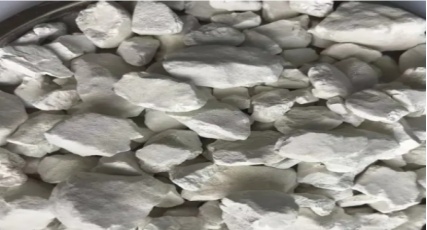
Quicklime doesn’t just raise soil pH; it also improves the overall structure of the soil. This is crucial because soil structure plays a significant role in plant health. Healthy soil should have good aeration, the ability to retain moisture, and proper drainage. Quicklime improves these characteristics by changing the physical properties of the soil.
How Quicklime Improves Soil Structure:
Flocculation of Clay Particles: When applied to clay-heavy soils, quicklime helps flocculate (clump together) the fine particles in the soil. This process creates larger aggregates, which improves soil aeration and drainage. These changes allow plant roots to penetrate deeper and more easily.
Enhances Drainage: By improving the aggregation of soil particles, quicklime helps prevent compaction and increases the movement of air and water through the soil. This is particularly beneficial for heavy, clay soils that tend to hold excessive moisture.
Improves Root Penetration: As the soil structure improves, plant roots have an easier time growing and accessing water and nutrients. This results in healthier and more robust plants.
While quicklime can have many benefits for soil, it is essential to use it correctly. Over-application of quicklime can lead to soil alkalinity that is too high, which can have negative effects on plant growth.
Potential Risks:
Over-application Leading to Excess Alkalinity: If too much quicklime is applied, it can raise the pH to levels that are too high for most plants. This can lead to nutrient deficiencies and poor plant growth.
Burning of Plant Roots: The reaction of quicklime with moisture in the soil produces heat. If the soil is too dry or the lime is applied too thickly, the heat generated can damage plant roots.
Handling and Safety: Quicklime is a caustic substance, and direct contact with skin or eyes can cause irritation or burns. Proper safety measures should be taken when handling quicklime.
To avoid these risks, it is essential to follow application guidelines and ensure that the appropriate amount of quicklime is used based on soil test results.
Step-by-Step Application Process:
Conduct a Soil Test: Before applying quicklime, test the soil to determine its pH level and the amount of lime required. This will help you avoid over-application.
Measure the Correct Amount of Quicklime: Based on the soil test results, determine the amount of quicklime needed. This varies depending on the type of soil and the desired pH level.
Evenly Distribute Quicklime: Apply the quicklime evenly over the surface of the soil. Use a spreader or hand tool to ensure uniform distribution.
Water the Soil: After application, water the soil to activate the lime. This will help it react with the moisture in the soil and begin raising the pH.
Allow Time for Reaction: Allow the quicklime to react with the soil for several weeks before re-testing the pH and making any additional adjustments.
Quicklime has a variety of agricultural applications, especially when it comes to improving soil health and productivity. Some common applications include:
Agricultural Use | Description |
Soil pH Adjustment | Quicklime is used to raise the pH of acidic soils, making them more suitable for plant growth. |
Improving Soil Structure | Quicklime enhances soil aggregation, improving aeration and drainage, which benefits root development. |
Fertilizer for Plants | Quicklime can be used in combination with other fertilizers to increase nutrient availability. |
Quicklime is a versatile and valuable tool in improving the productivity of agricultural land and ensuring better crop yields.
Quicklime plays a crucial role in agriculture by improving soil pH, structure, and nutrient availability. When applied correctly, it can help farmers and gardeners create more fertile, healthy soils that support strong, productive plants. Whether you are growing vegetables, flowers, or crops, the right use of quicklime can make a significant difference in your soil's health and your plant's success.
At www.cncalcium.com, we provide high-quality quicklime products that can enhance your soil management practices. Our expert team is ready to help guide you through the process and ensure that you get the best results for your crops. If you would like to learn more or need assistance, feel free to contact us today.
Answer: The ideal pH range for most plants is between 6.0 and 7.0. Quicklime is used to raise the pH of acidic soils, but over-application can make the soil too alkaline.
Answer: Yes, quicklime can be used for all soil types, including clay, loam, and sandy soils. However, the amount applied may vary depending on the soil's acidity.
Answer: It typically takes several weeks for quicklime to fully react with the soil and raise the pH. Regular testing is recommended to monitor progress.
Answer: Yes, quicklime can improve soil drainage, particularly in clay-heavy soils. By helping to flocculate (clump together) fine soil particles, quicklime creates larger aggregates, which improves aeration and allows better water movement. This reduces the risk of waterlogging and promotes healthier root development.


