
close
Choose Your Site
Global
Social Media

Quicklime, also known as calcium oxide, is a highly reactive compound derived from limestone. It has a variety of industrial applications, but one of its lesser-known uses is as a natural pest repellent. Due to its strong alkaline properties, quicklime has been employed for centuries as a tool to protect crops, prevent pest infestations, and even as a method of sterilization. But how does quicklime work as a pest control agent, and which pests can it keep away?
In this article, we will explore how quicklime can be used to control pests, the types of pests it helps to repel, and how to use it effectively for pest management. Whether you're a gardener, farmer, or someone simply looking to control pests around the home, understanding the properties and benefits of quicklime for pest control can provide you with a natural and cost-effective solution.
Before diving into specific pests, it's essential to understand how quicklime functions as a pest control agent. Quicklime’s strong caustic properties can disrupt the protective coatings of insects, leading to their dehydration and eventual death. Additionally, when quicklime is used in the soil or around the perimeter of a structure, it can raise the pH levels and create an environment that is hostile to many pests. Its versatility makes it a valuable tool for those seeking eco-friendly, non-toxic methods to manage pests.
Quicklime’s primary mechanism of pest control lies in its ability to raise the pH levels of the soil and surrounding environment, making it inhospitable to many pests. When quicklime comes into contact with moisture, it undergoes an exothermic reaction that generates heat and releases hydroxide ions. These ions increase the pH of the surrounding environment, creating an alkaline environment that is harmful to many insects and small animals.
Quicklime is particularly effective in controlling pests by altering their habitat, making it difficult for them to survive or thrive. The heat generated during the reaction can also deter pests that are sensitive to temperature changes. Moreover, the sharp, abrasive nature of quicklime can physically irritate insects and animals, further discouraging them from approaching or infesting treated areas.
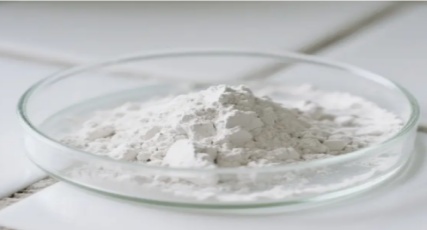
Quicklime is particularly useful for controlling a range of pests, both in agricultural settings and around the home. Let's explore the different types of pests that quicklime can help repel:
Quicklime is highly effective against a variety of insects that commonly invade gardens, homes, and farms. Due to its alkaline and caustic properties, quicklime can disrupt the habitats and bodies of many pests, making it an excellent natural alternative to chemical insecticides. Here’s how quicklime can help keep some common insects at bay:
Ants: Ants are particularly sensitive to changes in their environment, and the high alkalinity of quicklime can have a disruptive effect on their nests. Sprinkling quicklime around ant hills or in areas where ants are active can deter them from returning. The strong alkaline environment can also destroy existing colonies, preventing future infestations.
Fleas: Fleas are notorious for infesting pets, homes, and gardens, often leading to irritation and discomfort. Quicklime can help control flea populations by drying out their bodies and killing them. Applying quicklime to areas where fleas are present, such as pet bedding, carpets, or outdoor spaces, can significantly reduce their numbers. However, care should be taken to avoid direct contact with pets, as it can irritate their skin.
Cockroaches: Cockroaches thrive in dark, damp environments, making them a common pest in kitchens and bathrooms. Quicklime’s dry, alkaline properties make it an inhospitable environment for these pests. Sprinkling quicklime in cracks, crevices, and corners where cockroaches hide can help deter them from establishing nests. The powdery texture can also cause irritation to the cockroaches, further discouraging them from inhabiting those areas.
Slugs and Snails: Slugs and snails are soft-bodied pests that require moist environments to survive. Quicklime’s abrasive, dry particles can effectively deter these creatures from crawling over treated surfaces. By applying quicklime around the base of plants or in garden beds, you can create a barrier that slugs and snails are reluctant to cross. This helps protect your plants from being eaten or damaged.
Termites: Termites are destructive pests that can damage wooden structures, furniture, and plants. Quicklime can be used to treat wood or soil, where it helps create an inhospitable environment for termites. The high pH levels in quicklime can interfere with the termites’ digestive systems, potentially killing them or driving them away from treated areas.
Quicklime can be used as a deterrent for rodents like rats and mice. These animals are highly sensitive to changes in their environment, and quicklime’s strong, caustic properties can cause irritation to their skin and respiratory systems. While quicklime doesn’t directly kill rodents, it can effectively discourage them from nesting or burrowing in treated areas.
Sprinkling quicklime around entry points or in areas where rodents are known to frequent can make the environment unbearable for them. However, it’s important to note that quicklime should be used cautiously around pets, as it can also irritate their skin or eyes.
Quicklime can help control the growth of certain types of weeds, especially those that thrive in acidic soils. By raising the pH levels of the soil, quicklime creates an environment where many common weeds, such as dandelions and thistles, struggle to grow. Applying quicklime to the soil before planting can help reduce weed competition, improving the growth of desired plants and crops.
Mites and spiders are pests that often inhabit garden plants and home structures. Quicklime’s ability to alter the environment can make it less suitable for these arachnids. Sprinkling a small amount of quicklime in spider-prone areas, such as corners, window sills, and under furniture, can deter spiders from building webs. Similarly, mites that feed on plants can be controlled by applying quicklime to the soil, making it harder for them to thrive.
When using quicklime as a pest repellent, it’s important to apply it in the right way to avoid harm to plants, pets, or yourself. Here are some best practices for using quicklime effectively:
Apply to Dry Areas: Quicklime is most effective when applied to dry, moisture-free areas. This helps ensure that the alkaline properties are not diluted and can have maximum impact on pests.
Use Cautiously Around Plants: While quicklime can help control weeds, it can also harm plants if over-applied. Use it carefully and avoid direct contact with plant roots or foliage. It’s best to apply quicklime in small amounts and monitor for any signs of plant distress.
Wear Protective Gear: Quicklime is a caustic substance, so it’s important to wear gloves, goggles, and a mask to protect your skin, eyes, and respiratory system when handling it.
Apply Around Entry Points for Rodents: For rodent control, sprinkle quicklime around the perimeter of your home or in areas where rodents are known to enter. This will discourage them from nesting or burrowing in those spots.
Reapply as Needed: Over time, quicklime may lose its effectiveness due to moisture or environmental factors. Reapply it periodically to ensure ongoing pest control.
Table: Quicklime vs. Other Pest Control Methods
Pest Control Method | Effectiveness | Cost | Environmental Impact | Ease of Use |
Quicklime | Effective for insects, rodents, and weeds | Moderate | Low (natural solution) | Moderate |
Chemical Pesticides | Effective for a wide range of pests | High | High (potentially harmful) | High |
Essential Oils | Effective for some insects (e.g., ants) | Low | Low (natural solution) | Easy |
Diatomaceous Earth | Effective for insects (e.g., ants, fleas) | Moderate | Low (natural solution) | Moderate |
Quicklime is an effective and natural solution for managing a variety of pests, including insects, rodents, and even weeds. Its ability to alter the pH of the environment, disrupt pests' natural habitat, and prevent them from thriving makes it a valuable tool for those looking for a more eco-friendly approach to pest control. By using quicklime carefully and in the right amounts, you can keep your garden, home, and other areas pest-free without relying on harmful chemicals.
At www.cncalcium.com, we specialize in providing high-quality quicklime products that can be used in various applications, including pest control. If you’re interested in learning more about how quicklime can help manage pests in your space, visit www.cncalcium.com for more information.
1. What pests can quicklime repel?
Quicklime can repel ants, fleas, cockroaches, slugs, snails, termites, rodents, and even certain types of weeds.
2. Is quicklime safe to use around plants?
Quicklime can harm plants if applied excessively. It’s important to use it carefully and avoid direct contact with plant roots or foliage.
3. How do I apply quicklime for pest control?
Sprinkle quicklime in dry, moisture-free areas or around entry points to deter pests. Always wear protective gear when handling it.
4. Can quicklime be used indoors?
Yes, quicklime can be used indoors to repel pests like rodents and insects. Ensure proper ventilation and avoid direct contact with surfaces that can be damaged.


