
close
Choose Your Site
Global
Social Media

Quicklime, or calcium oxide, is a common material used in agriculture, particularly for soil amendment. It is commonly used to increase the pH level of acidic soils, improving soil fertility and promoting plant growth. However, like with any soil amendment, applying too much quicklime can have negative consequences. Understanding the proper amount of quicklime to apply and how it affects your soil is crucial for achieving the desired results.
In this article, we will explore what happens if you put too much quicklime in your soil, how to properly use it, and how you can avoid the risks associated with over-application. We’ll also discuss the benefits and drawbacks of using quicklime in agriculture and offer some best practices for soil management. By the end of this article, you'll have a clearer understanding of how quicklime affects your soil and how to use it safely and effectively.
Quicklime is a highly reactive compound that is produced by heating limestone (calcium carbonate) in a kiln. The process releases carbon dioxide, leaving behind quicklime, a substance that can be used to raise soil pH. When added to acidic soils, quicklime reacts with water to form slaked lime (calcium hydroxide), which neutralizes the acidity and creates a more favorable environment for plant growth.
Soil acidity is measured by pH, with values ranging from 0 to 14. Soils with a pH below 7 are considered acidic, while those with a pH above 7 are alkaline. Many crops, such as vegetables and grasses, thrive in soils with a pH range of 6 to 7. Quicklime is often applied to lower-pH soils to raise the pH to a more neutral level, enhancing nutrient availability and improving root growth.
However, as beneficial as quicklime can be in moderate amounts, applying too much can have several adverse effects on your soil and plants.
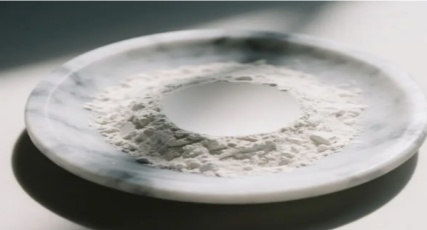
One of the most significant risks of using too much quicklime is that it can make the soil overly alkaline. Soil pH is an important factor in determining the availability of nutrients for plants, and when the pH rises too much—beyond 7.5 or 8.0—it can lead to a variety of issues that may hinder plant growth. An overly alkaline environment can cause essential nutrients to become less available to plants, which can result in deficiencies. For instance, nutrients such as iron, manganese, zinc, and copper become less soluble in alkaline soils. As a result, plants may experience nutrient deficiencies, which could manifest as yellowing leaves, poor growth, or stunted development. In extreme cases, these deficiencies may even lead to plant death.
High soil pH can also affect beneficial soil microorganisms, which play a key role in breaking down organic matter and cycling nutrients. When the pH is too high, these microorganisms may become less effective, reducing their ability to decompose organic matter and release essential nutrients. This, in turn, can lead to a further reduction in soil fertility.
Moreover, plants that are sensitive to high pH levels may not thrive in alkaline conditions, making it challenging to grow certain crops in soil that has been over-limed. Regularly testing the soil pH and applying lime in moderation is crucial to avoid these negative effects on plant health.
Another consequence of over-applying quicklime is its impact on soil structure. Quicklime has a dehydrating effect due to its high reactivity, and when applied in excessive amounts, it can dry out the soil. This can lead to soil compaction, where the soil particles are pressed together, reducing the spaces between them. Compacted soil has poor drainage and aeration, which makes it difficult for plant roots to penetrate deeply and for water to move freely through the soil. This leads to poor plant growth and can exacerbate issues related to waterlogging or drought stress.
Quicklime is highly caustic and can burn plants if it is applied in excessive amounts. If quicklime is applied directly to plant roots or stems, it can cause chemical burns, leading to plant damage or death. The high pH and chemical reactivity of quicklime can directly affect plant tissues, causing leaf discoloration, browning, and dieback.
Even if quicklime is applied evenly to the soil, its concentrated effects can still affect nearby plants. When quicklime is mixed with water in the soil, it can release calcium hydroxide, which increases soil pH rapidly. This can create an environment that is not suitable for plants, particularly those that are sensitive to pH fluctuations or alkaline conditions.
Another issue with over-application of quicklime is that it can alter the soil's microbial balance. Soil microorganisms, including bacteria, fungi, and earthworms, thrive in specific pH ranges. Excessive alkalinity can disrupt the growth and activity of these beneficial microorganisms, which are essential for nutrient cycling and soil health.
When the soil's microbial ecosystem is disrupted, the soil's fertility declines, and it may take longer for organic matter to decompose. This can lead to a decline in soil health, making it more difficult to grow crops over time. Furthermore, the loss of soil biodiversity can make the soil more susceptible to pests, diseases, and other environmental stresses.
Excessive application of quicklime is not only detrimental to the soil but also a waste of resources. Quicklime is an expensive material, and using too much can increase costs unnecessarily. If the soil becomes too alkaline, it may require additional soil amendments to bring the pH back into balance, which can further increase costs and labor.
To avoid the problems associated with overusing quicklime, it is important to apply it in the correct amounts and at the right time. Here are some guidelines to follow:
Before applying quicklime, always conduct a soil pH test. This will give you an accurate reading of the current pH level and help you determine how much quicklime is needed. Soil tests are available from local agricultural extension offices or can be purchased as home test kits. Based on the results, you can calculate the right amount of quicklime to apply.
It is better to apply quicklime in smaller, incremental amounts rather than applying a large dose all at once. This will allow you to monitor the soil’s response and avoid making the soil too alkaline. After each application, test the soil pH again to ensure you are moving toward your target pH without overshooting it.
If you find that your soil is still too acidic after a mild application of quicklime, consider using other soil amendments like agricultural lime (calcium carbonate) or dolomitic lime. These alternatives release calcium more slowly and tend to have a less dramatic effect on soil pH compared to quicklime.
Regularly monitor the health of your plants and soil after applying quicklime. Look for signs of nutrient deficiencies, plant stress, or changes in soil structure. Early detection of any problems will allow you to correct them before they have long-term effects on your crops.
Quicklime is a highly effective soil amendment when used properly. Its ability to raise soil pH and neutralize acidic soils makes it valuable for improving soil fertility and promoting plant growth. However, it is essential to apply it in the right amounts and under the right conditions. Overusing quicklime can lead to excessive alkalinity, soil structure damage, plant toxicity, and a loss of beneficial soil microorganisms.
By understanding the impact of quicklime on soil and following best practices for application, you can ensure that your soil remains balanced and conducive to plant growth. Always test your soil pH, apply quicklime gradually, and monitor your plants to achieve the best results.
At www.cncalcium.com, we specialize in providing high-quality quicklime for agricultural and industrial applications. Our products are designed to improve soil health and support sustainable farming practices. For more information on how our quicklime products can help enhance your soil management practices, feel free to contact us.
Q: What is quicklime used for in soil?
A: Quicklime is used to raise the pH of acidic soils, making them more favorable for plant growth by neutralizing acidity.
Q: Can too much quicklime harm my plants?
A: Yes, applying too much quicklime can make the soil too alkaline, which can lead to nutrient imbalances, plant toxicity, and poor growth.
Q: How can I prevent soil damage from overusing quicklime?
A: To avoid soil damage, apply quicklime gradually, monitor your soil’s pH, and ensure that you are not exceeding the necessary amount for your specific soil conditions.
Q: What is the difference between quicklime and agricultural lime?
A: Quicklime is more reactive and raises soil pH more quickly, while agricultural lime (calcium carbonate) works more slowly and is less likely to cause dramatic pH changes.


