
close
Choose Your Site
Global
Social Media

Views: 0 Author: Site Editor Publish Time: 2026-03-25 Origin: Site
Calcium Hydroxide (Ca(OH)₂), also known as slaked lime, is a fundamental compound in the production of calcium hypochlorite (Ca(OCl)₂), a potent disinfectant used globally for water treatment, sanitation, and industrial disinfection. At Hongyu Calcium, we specialize in providing high-purity calcium hydroxide products that are crucial for the efficient and safe production of calcium hypochlorite. With decades of experience in manufacturing calcium-based products, we ensure that our products meet the highest standards of quality and performance for all industrial applications.
The need for calcium hypochlorite has grown significantly due to its versatile applications in disinfecting and sanitizing water, as well as in various industrial processes. As a leading supplier in the industry, Hongyu Calcium is committed to delivering calcium hydroxide that meets the rigorous requirements of the calcium hypochlorite production process. This article explores the essential role of calcium hydroxide in calcium hypochlorite production, the chemical reactions involved, and the significant advantages of using calcium hydroxide over other reagents.
Calcium hypochlorite is a chemical compound that serves as one of the most effective disinfectants and oxidizers. It is widely used in a range of applications, including:
Water treatment: Calcium hypochlorite is used to purify drinking water, eliminate harmful pathogens, and improve water safety in municipal systems.
Swimming pool sanitation: It is commonly used to keep pool water clean and free from microorganisms that could harm swimmers.
Industrial disinfection: In industries, calcium hypochlorite is used to disinfect equipment, surfaces, and materials in various sectors such as food processing, healthcare, and manufacturing.
The market demand for calcium hypochlorite continues to rise due to the increasing importance of safe water, public health concerns, and growing industrial applications. The demand is particularly high in areas where access to clean water is limited, and where sanitation and industrial disinfection are critical to maintaining public health and safety.
Calcium hypochlorite is not only used for disinfection, but also for bleaching purposes. It plays an essential role in the production of bleach in various industries, making it an indispensable chemical in both the public health and industrial sectors. Therefore, the quality of calcium hypochlorite produced directly impacts the effectiveness and safety of these critical applications.
For the production of calcium hypochlorite, calcium hydroxide is used as a reactant that provides the necessary calcium ions and participates in the chemical reaction that produces calcium hypochlorite. Without calcium hydroxide, the reaction would not proceed efficiently, and the desired product would not be obtained.
Calcium hydroxide plays a central role in the production of calcium hypochlorite. When chlorine gas (Cl₂) is introduced to a calcium hydroxide slurry, it undergoes a chemical reaction that results in the formation of calcium hypochlorite (Ca(OCl)₂), a highly effective disinfectant. The process begins with mixing calcium hydroxide with chlorine gas under controlled conditions, ensuring that the reaction is efficient and that the calcium hypochlorite produced is of the highest quality.
The chemical reaction involved in the formation of calcium hypochlorite is as follows:
Ca(OH)₂ + Cl₂ → Ca(OCl)₂ + H₂O
In this reaction, calcium hydroxide reacts with chlorine gas to produce calcium hypochlorite (Ca(OCl)₂) and water. The calcium hypochlorite formed in this reaction is a powerful oxidizing agent and disinfectant, used in water purification, sanitation, and industrial disinfection. The production of calcium hypochlorite requires precise control over the reaction conditions, including the amount of chlorine gas used, the temperature, and the pH of the mixture.
The purity and reactivity of calcium hydroxide are critical factors in ensuring the efficiency and effectiveness of the reaction. High-purity calcium hydroxide ensures that the chemical reaction proceeds smoothly and that the final product, calcium hypochlorite, meets the necessary quality standards. Impurities in the calcium hydroxide can interfere with the reaction, leading to lower yields of calcium hypochlorite and the formation of unwanted byproducts. For this reason, Hongyu Calcium produces calcium hydroxide with high purity and consistency, ensuring optimal performance in calcium hypochlorite production.
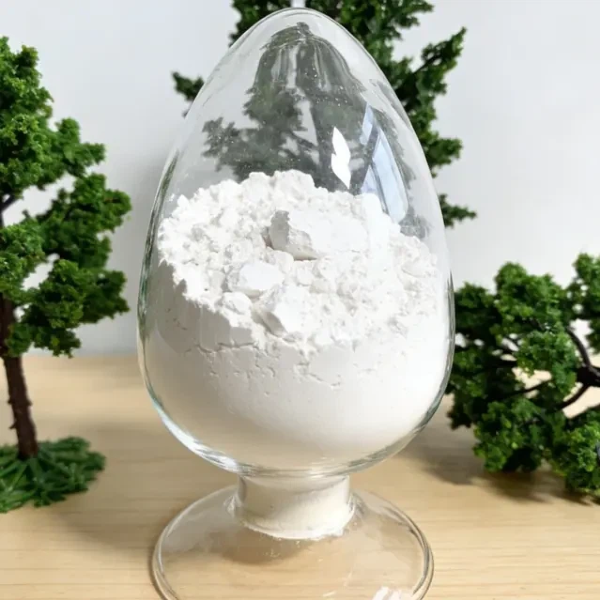
The process of manufacturing calcium hypochlorite involves several key steps, from raw material preparation to the final stabilization of the product. Each step plays an essential role in ensuring that the final product is of the highest quality and suitable for its intended use.
The process begins with the preparation of the raw materials. Calcium hydroxide is typically supplied as a dry powder or slurry, which is mixed with chlorine gas in a controlled environment. Chlorine gas is typically produced through the electrolysis of sodium chloride (NaCl) or it can be supplied as a liquefied gas. Both raw materials must meet specific purity standards to ensure the success of the reaction.
The key step in the calcium hypochlorite production process is the chlorination of calcium hydroxide. Chlorine gas is introduced into the calcium hydroxide slurry, where the chemical reaction takes place, forming calcium hypochlorite and water. The reaction needs to be carefully controlled, with attention to factors such as temperature, chlorine concentration, and the rate at which chlorine is introduced.
After the reaction, the calcium hypochlorite must be stabilized to ensure that it remains effective and does not degrade over time. This involves adjusting the pH of the product and ensuring that it is properly filtered to remove any impurities or byproducts.
The quality and efficiency of the calcium hydroxide used in the calcium hypochlorite production process play a significant role in determining the yield and byproduct quality. The following table compares the performance of high-purity calcium hydroxide with low-quality calcium hydroxide:
Criteria | With High-Purity Ca(OH)₂ | With Low-Quality Ca(OH)₂ |
Yield | High | Medium |
Byproduct Quality | Clean | More Impurities |
Safety | Stable | Less Stable |
As shown in the table, using high-purity calcium hydroxide results in higher yields of calcium hypochlorite, cleaner byproducts, and more stable production conditions. This ensures that the final calcium hypochlorite product meets the highest standards for use in water treatment and industrial disinfection.
There are several distinct advantages to using calcium hydroxide in the production of calcium hypochlorite:
Calcium hydroxide is an affordable and abundant reagent, making it a cost-effective option for calcium hypochlorite production. The relatively low cost of calcium hydroxide helps keep production costs down while still producing high-quality calcium hypochlorite. This makes it an attractive choice for manufacturers looking to produce calcium hypochlorite at a competitive price.
Calcium hydroxide is a safer chemical to handle compared to many other reagents used in industrial processes. Unlike highly corrosive substances like sodium hydroxide or chlorine gas, calcium hydroxide poses fewer safety risks when properly handled. This makes it easier to use in large-scale manufacturing processes and reduces the need for expensive safety measures and equipment.
In conclusion, calcium hydroxide is a vital component in the production of calcium hypochlorite, a critical compound used for water treatment, sanitation, and industrial disinfection. The high-purity calcium hydroxide produced by Hongyu Calcium ensures that the reaction yields high-quality calcium hypochlorite with minimal impurities, optimizing the efficiency of disinfection processes across various industries.
At Hongyu Calcium, we are committed to producing the highest-quality calcium hydroxide products for use in calcium hypochlorite production and other industrial applications. Our products are trusted by manufacturers worldwide for their superior purity, reactivity, and consistency. Whether you are producing calcium hypochlorite for municipal water treatment, industrial disinfection, or other applications, Hongyu Calcium provides the ideal calcium hydroxide solution for your needs.
1. What is calcium hypochlorite used for?
Calcium hypochlorite is primarily used as a disinfectant in water treatment, swimming pool sanitation, and industrial applications for sterilizing equipment and surfaces.
2. How is calcium hydroxide involved in calcium hypochlorite production?
Calcium hydroxide reacts with chlorine gas to produce calcium hypochlorite, which is used for disinfection and water treatment.
3. What are the benefits of using high-purity calcium hydroxide in hypochlorite production?
High-purity calcium hydroxide results in higher yields, cleaner byproducts, and better overall product quality, ensuring consistent production of calcium hypochlorite.
4. How does calcium hydroxide contribute to the cost-effectiveness of calcium hypochlorite production?
Calcium hydroxide is an affordable reagent that helps reduce the overall production cost of calcium hypochlorite, making it a cost-effective option for large-scale manufacturing.


