
close
Choose Your Site
Global
Social Media

Views: 0 Author: Site Editor Publish Time: 2026-03-18 Origin: Site
Calcium Hydroxide, commonly known as slaked lime, is a versatile compound used extensively in wastewater treatment to manage pH levels and ensure effective treatment of wastewater. At Hongyu Calcium, we specialize in providing high-purity calcium hydroxide products designed to optimize the pH adjustment process in wastewater treatment systems. Our commitment to quality and performance ensures that our products not only meet but exceed industry standards.
In wastewater treatment, the proper control of pH levels is essential for the efficiency of various treatment processes. Calcium hydroxide is widely used to raise the pH of acidic wastewater, neutralizing harmful acids and creating an environment conducive to the effective removal of contaminants. As a leading supplier of calcium hydroxide, Hongyu Calcium produces products that offer high reactivity and purity, making them ideal for use in a range of industrial and municipal applications.
The pH of water significantly influences the efficiency of wastewater treatment processes. Wastewater systems need to maintain specific pH levels to effectively remove pollutants, prevent corrosion of pipes and equipment, and comply with regulatory standards for discharge. A low pH, which indicates acidity, can cause several issues:
Corrosion of Infrastructure: Acidic wastewater can corrode pipes, valves, and other infrastructure, leading to costly repairs and downtime.
Inefficient Pollutant Removal: Many wastewater treatment processes, including chemical precipitation and coagulation, rely on specific pH ranges to operate effectively. A low pH can interfere with these processes, resulting in incomplete removal of contaminants.
Regulatory Compliance: Local and international regulations dictate specific pH levels for wastewater discharge. Failure to meet these requirements can result in fines, environmental damage, and reputational harm to businesses.
By adjusting the pH of wastewater with calcium hydroxide, treatment plants can maintain the ideal conditions for effective contaminant removal while protecting infrastructure and ensuring compliance with regulatory standards.
When calcium hydroxide (Ca(OH)₂) is added to water, it undergoes a dissolution reaction, releasing calcium ions (Ca⊃2;⁺) and hydroxide ions (OH⁻). The hydroxide ions are crucial in raising the pH of the water by neutralizing acidic compounds.
The chemical equation for the dissolution of calcium hydroxide in water is:
Ca(OH)₂ → Ca⊃2;⁺ + 2OH⁻
When calcium hydroxide dissolves, it releases hydroxide ions (OH⁻) into the solution. These hydroxide ions then interact with acidic substances in the wastewater, neutralizing them and increasing the pH of the solution. The increase in pH makes the water less acidic, bringing it to a level where various treatment processes, such as coagulation and flocculation, can be more effective.
The hydroxide ions released by calcium hydroxide work by neutralizing the free hydrogen ions (H⁺) found in acidic waste streams. This chemical reaction raises the pH and brings the water closer to neutrality or slightly alkaline, which is ideal for subsequent treatment processes. This is particularly important in industrial wastewater, where the pH can often be lower due to chemicals, acids, and byproducts used during manufacturing processes.
The neutralization of acids improves the efficiency of other wastewater treatment steps, such as chemical precipitation and biological treatment, ensuring that contaminants like heavy metals, organic compounds, and suspended solids are removed effectively.
The process of adjusting pH in wastewater treatment plants using calcium hydroxide follows a series of steps. The main goal is to raise the pH of the water to an optimal level for the removal of contaminants while minimizing the risk of damage to infrastructure and ensuring compliance with regulatory standards.
A dosing system is used to introduce calcium hydroxide into the wastewater in a controlled manner. The system ensures that the right amount of lime is added to raise the pH to the required level. Accurate dosing is crucial to avoid over-dosing, which can lead to excessive alkalinity and under-dosing, which may not effectively neutralize the acids.
After dosing, the pH of the water is monitored continuously. pH meters or probes are used to measure the pH level at various stages of the treatment process. If the pH is still too low, more calcium hydroxide is added. The goal is to stabilize the pH in a range that is optimal for subsequent treatment processes.
In a typical wastewater treatment plant, calcium hydroxide is added at the primary treatment stage, where it helps neutralize acids and prepare the water for additional treatment, such as coagulation and filtration. After the pH is adjusted, the water flows through various treatment units, where contaminants are removed, and the water is prepared for discharge or reuse.
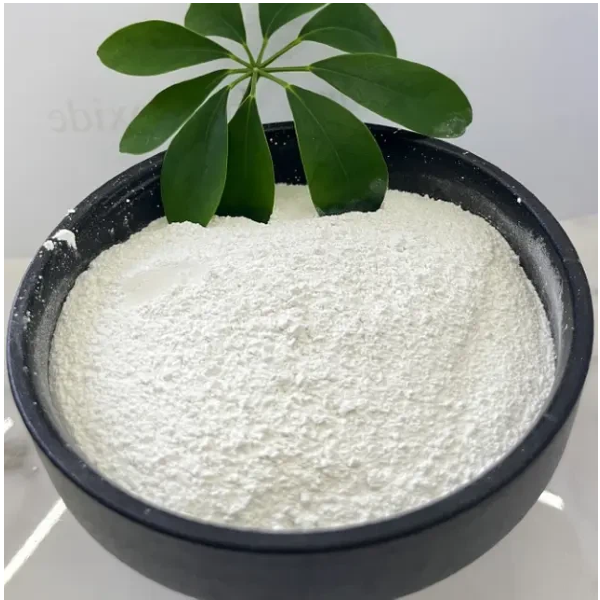
Using calcium hydroxide for pH control in wastewater treatment offers several key benefits:
Calcium hydroxide provides a stable and reliable way to maintain the pH within the desired range. This ensures that the water treatment processes remain effective throughout the treatment cycle. By maintaining stable pH levels, treatment plants can optimize their operations, reduce maintenance costs, and extend the lifespan of equipment.
With calcium hydroxide, the risk of over-dosing or under-dosing is minimized, as the dosing systems are precise and controlled. This reduces the risk of operational issues, such as equipment damage, and ensures that the water is treated efficiently and safely.
Calcium hydroxide is a cost-effective option compared to other chemicals used for pH adjustment, such as sodium hydroxide. Its moderate cost, combined with its high efficiency, makes it an attractive choice for wastewater treatment plants looking to reduce their operating expenses without compromising on performance.
The following table compares the performance of calcium hydroxide with other common alkaline substances used for pH adjustment in wastewater treatment.
Metric | Calcium Hydroxide | Sodium Hydroxide | Other Alkalis |
pH Control Precision | High | Very High | Medium |
Safety | Medium | Low (corrosive) | Medium |
Cost | Moderate | High | Variable |
Sludge Impact | Lower | Higher | Variable |
As shown in the table, calcium hydroxide offers high precision in pH control, a moderate cost, and lower sludge impact, making it an ideal choice for wastewater treatment.
Calcium hydroxide is used in a variety of applications within both municipal and industrial wastewater systems.
Municipal Wastewater: Municipal wastewater treatment plants use calcium hydroxide to raise the pH of sewage and stormwater before further treatment. By neutralizing acids, the pH is adjusted to an optimal level for biological treatment processes, ensuring the removal of organic contaminants.
Industrial Effluent Streams: Calcium hydroxide is also widely used to treat industrial effluents, such as those from the chemical, food processing, and mining industries. These effluents often contain high levels of acidity, which can be neutralized effectively with calcium hydroxide to make the water safe for disposal or reuse.
In summary, calcium hydroxide is an essential tool for pH adjustment in wastewater treatment. It is effective, cost-efficient, and provides stable pH buffering that is essential for the optimal performance of various treatment processes. By neutralizing acidic conditions, calcium hydroxide ensures that water treatment plants can operate efficiently, maintain compliance with regulatory standards, and protect both their infrastructure and the environment.
At Hongyu Calcium, we are committed to producing the highest quality calcium hydroxide products that support wastewater treatment operations worldwide. Our products are trusted by industries for their high reactivity and purity, ensuring the best possible outcomes in pH control and contaminant removal.
1. How does calcium hydroxide adjust pH in wastewater?
Calcium hydroxide raises the pH of acidic wastewater by releasing hydroxide ions (OH⁻) that neutralize acids, making the water safer and more suitable for subsequent treatment.
2. What are the benefits of using calcium hydroxide in wastewater treatment?
The benefits include stable pH buffering, lower operational risk, and cost-effective treatment that improves water quality.
3. Why is calcium hydroxide preferred over other alkalis?
Calcium hydroxide is preferred because it is cost-effective, provides high precision in pH control, and has a lower impact on sludge formation compared to other alkalis.
4. Where is calcium hydroxide used in wastewater treatment?
Calcium hydroxide is used in both municipal and industrial wastewater treatment, particularly in pH adjustment, neutralizing acidity, and improving treatment process efficiency.


