
close
Choose Your Site
Global
Social Media


| Quantity: | |
|---|---|
Calcium oxide (quicklime, CaO) granules serve as core auxiliary raw materials in iron and steel smelting, primarily performing key functions such as slagging, desulfurization, dephosphorization, and furnace condition adjustment. The particle size and activity of calcium oxide directly affect smelting efficiency and steel product quality.
I. Core Functions and Principles
In blast furnace ironmaking: Calcium oxide reacts with gangue (SiO₂, Al₂O₃) to form calcium silicate and calcium aluminate slag.
Slag has a lower density than molten iron, floating on the surface of molten iron and being smoothly discharged out of the furnace.
In converter steelmaking: Calcium oxide acts as a basic slagging agent, balancing the slag basicity (CaO/SiO₂ ratio), preventing acidic slag from corroding the furnace lining, and extending the service life of the furnace body.
Sulfur is a harmful element in steel that causes "hot shortness" of steel products. At high temperatures, calcium oxide particles react with sulfides in molten iron to fix sulfur in the slag for removal.
To enhance desulfurization efficiency, calcium oxide is usually used in combination with coke (providing a reducing atmosphere) or calcium fluoride (CaF₂, reducing slag viscosity).
Dephosphorization Agent
Phosphorus leads to "cold shortness" of steel. Calcium oxide reacts with phosphorus oxides under an oxidizing atmosphere to form calcium phosphate, which enters the slag for removal.
Furnace Condition Adjustment
The reaction of calcium oxide with water releases a large amount of heat, which can be used to increase the temperature of the blast furnace and improve the permeability of the burden column.
Rational addition of calcium oxide particles can optimize slag fluidity and avoid furnace faults such as "hearth accumulation" caused by excessively viscous slag.
II. Technical Requirements for Calcium Oxide Granules Used in Iron and Steel Smelting
Calcium oxide granules for iron and steel smelting must meet the standards of high activity and low impurity content
| Technical Indicator | Required Value | Description |
| CaO Content | ≥90% | Higher content ensures better slagging and desulfurization effects |
| Activity (10min) | ≥300mL (titration with 4mol/L HCl) | Higher activity means faster reaction rate |
| Particle Size | 1–2mm ; 2–4mm ;5-10mm;10-65mm; | Excessively large particles lead to insufficient reaction, while excessively small particles easily cause poor permeability |
| Impurity Content (SiO₂+Al₂O₃) | ≤5% | High impurity content increases slag volume and consumes calcium oxide |
| S Content | ≤0.05% | Avoid introducing additional sulfur impurities |
Calcium oxide particles are prone to moisture absorption to form calcium hydroxide, so they must be stored in a sealed and dry environment to avoid "spalling" in the furnace after being damp, which affects the stability of the furnace condition.
Avoid excessive addition; otherwise, it will increase the slag volume and raise smelting energy consumption.
 | | |
Certifications


Our Advantages
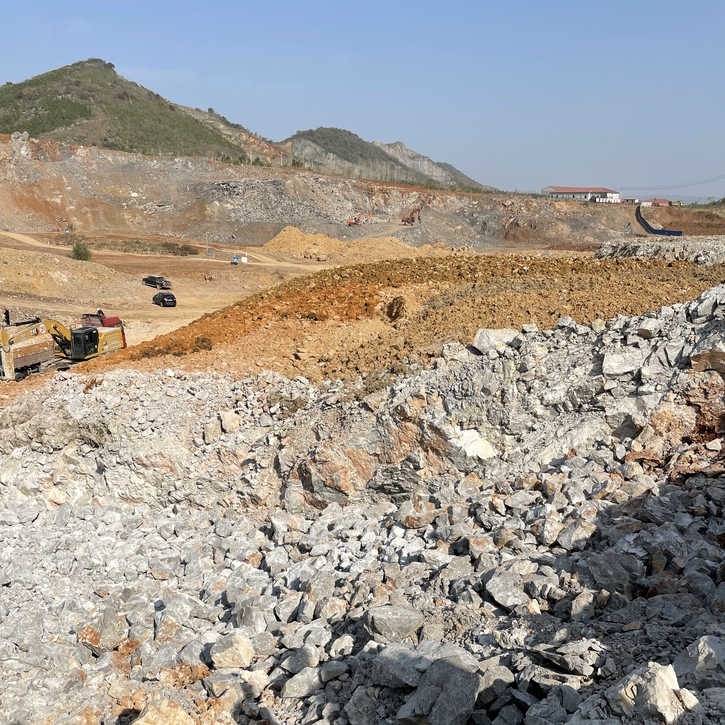
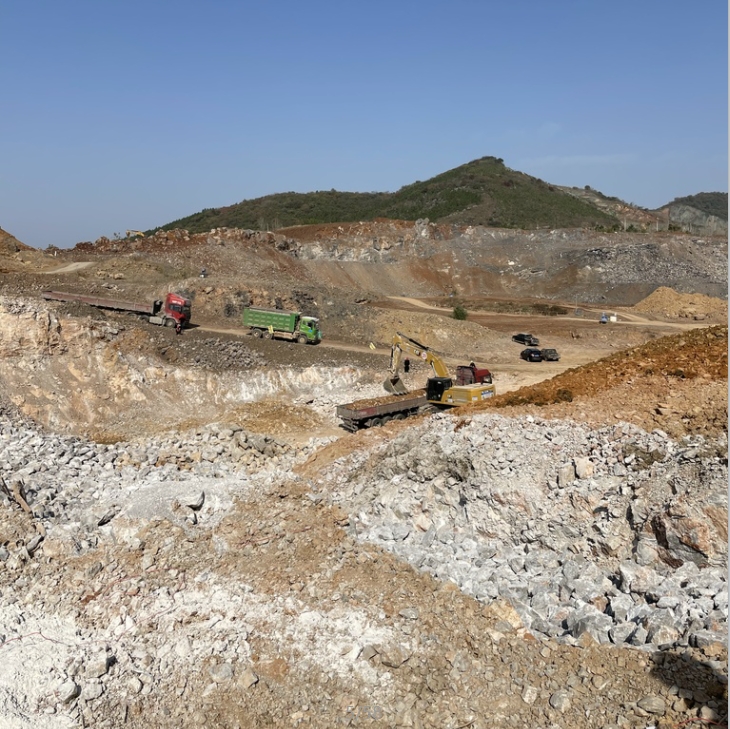
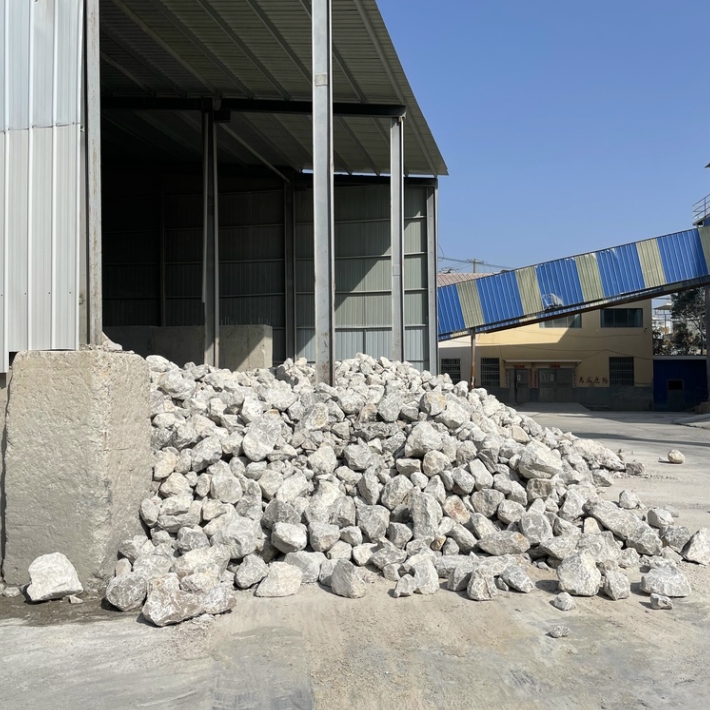
We have our own mine in Hubei Province, which endows us with the following advantages:
Stable Raw Material Supply: Owning our own mine ensures a stable supply of raw materials for calcified substances. This helps to avoid production interruptions caused by issues such as fluctuations in the raw material market and supply shortages. It guarantees the smooth progress of production plans and maintains a stable product output, enabling us to better meet customer needs and enhance customer satisfaction.
Controllable Raw Material Quality: Our company can directly manage and monitor the mining process of the mine, and strictly control the quality of raw materials. We are able to select appropriate ore grades and qualities according to production requirements, ensuring that the mined ore meets the high standards of our products. This provides a solid foundation for producing high-quality calcified substance products and helps to enhance the market competitiveness of our products.
Cost Advantage: Obtaining raw materials from our own mine reduces intermediate procurement links and lowers procurement costs. Moreover, in the long run, a stable raw material supply also enables our company to take the initiative in cost control and avoid the risk of cost increases due to fluctuations in raw material prices, thereby improving the company's economic benefits and profitability.
 |  |  |
FAQ
Q: Are you a trading company or a factory?
A: We are a factory.
Q: What are your main products?
A: Calcium oxide, Calcium hydroxide, Light calcium carbonate, Heavy calcium carbonate,Nano calcium carbonate
Q: What is the maximum purity of your calcium oxide and calcium hydroxide?
A: The maximum purity of our calcium oxide can reach 98‑99%, and the maximum purity of calcium hydroxide is up to 99.5%. You can select products of corresponding purity according to your actual working conditions.
Q: Do you provide free samples?
A: Yes.
Q: Do you have any certifications?
A: Yes, we have ISO9001 and SGS. Meanwhile, we can provide MSDS, marine transportation identification reports, etc.
Q: How do I contact you to purchase a product?
A: Below is our contact information, please feel free to contact us at any time.


