
close
Choose Your Site
Global
Social Media

Views: 0 Author: Site Editor Publish Time: 2026-03-23 Origin: Site
Calcium Hydroxide (Ca(OH)₂) plays a pivotal role in flue gas desulfurization (FGD) systems. These systems are crucial for reducing sulfur dioxide (SO₂) emissions, which are a major source of air pollution. At Hongyu Calcium, we produce high-quality calcium hydroxide products that are specifically formulated for use in FGD processes. Our products are highly effective, ensuring superior SO₂ removal, regulatory compliance, and environmental protection in industrial applications worldwide.
Flue gas desulfurization is a critical process in controlling the environmental impact of industrial activities, particularly in power plants, cement factories, and oil refineries. Sulfur dioxide (SO₂) is a byproduct of burning fossil fuels, and when it is released into the atmosphere, it can contribute to the formation of acid rain and other air pollutants. Removing SO₂ from flue gases is essential for improving air quality and complying with stringent environmental regulations. Calcium hydroxide is one of the most widely used chemicals for this purpose because of its high reactivity, efficiency, and ease of use.
Flue gas desulfurization (FGD) refers to the process of removing sulfur dioxide from the exhaust gases produced during combustion in power plants, industrial plants, and refineries. SO₂ is a harmful pollutant that contributes to acid rain, which can harm ecosystems, damage buildings, and negatively affect human health. Therefore, FGD systems are designed to capture SO₂ and convert it into less harmful compounds before the gases are released into the atmosphere.
The primary purpose of FGD systems is to reduce the environmental impact of sulfur dioxide emissions, ensuring that industries comply with air quality standards. These systems are vital for industries such as coal-fired power plants, cement manufacturing, and chemical production, which are major contributors to SO₂ emissions. Without effective FGD systems, these industries would face stricter regulations, potential fines, and increased environmental damage.
Calcium hydroxide is a preferred reagent in these systems due to its high reactivity with sulfur dioxide. When used in FGD systems, calcium hydroxide reacts with sulfur dioxide to form stable byproducts, such as calcium sulfite (CaSO₃) or calcium sulfate (CaSO₄), which can be easily removed and safely disposed of.
In flue gas desulfurization systems, calcium hydroxide is added to the flue gas stream, where it reacts with sulfur dioxide to neutralize it. The chemical reaction that occurs during this process is simple but effective:
The key reaction in FGD systems using calcium hydroxide is as follows:
SO₂ + Ca(OH)₂ → CaSO₃ + H₂O
In this reaction, calcium hydroxide (Ca(OH)₂) reacts with sulfur dioxide (SO₂) to form calcium sulfite (CaSO₃) and water. Calcium sulfite is a stable compound that can be further oxidized into calcium sulfate (CaSO₄). Calcium sulfate, commonly known as gypsum, is a valuable material that can be used in the construction industry for producing drywall and other materials.
This chemical reaction is efficient, with calcium hydroxide effectively neutralizing sulfur dioxide and converting it into a less harmful byproduct. The removal of sulfur dioxide is essential for ensuring that industrial emissions meet environmental standards and for minimizing the impact of acid rain.
Several factors influence the efficiency of the calcium hydroxide reaction in flue gas desulfurization:
Temperature: The temperature of the flue gas plays a significant role in the reaction rate. Higher temperatures generally increase the rate at which calcium hydroxide reacts with sulfur dioxide. However, excessive temperatures can lead to the formation of undesirable byproducts. Therefore, careful temperature control is necessary to optimize the desulfurization process.
Gas Composition: The composition of the flue gas, including the concentration of sulfur dioxide, oxygen, and water vapor, can affect the efficiency of the reaction. The ideal conditions for desulfurization are when the flue gas contains a moderate amount of sulfur dioxide and the reaction can proceed without interference from other gases.
Dosing and Contact Time: The amount of calcium hydroxide added to the system must be carefully controlled to ensure that it reacts completely with the sulfur dioxide. Adequate contact time between the calcium hydroxide and flue gases is also important to maximize the efficiency of the reaction and to ensure that all the sulfur dioxide is neutralized.
At Hongyu Calcium, we produce high-purity calcium hydroxide that ensures optimal reactivity in FGD systems. Our products are specifically designed to provide the best performance under a range of operating conditions, ensuring maximum SO₂ removal efficiency and minimal environmental impact.
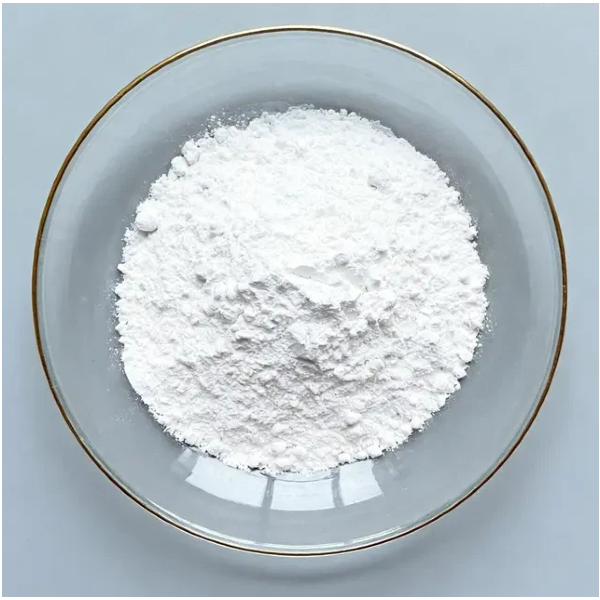
There are several types of FGD systems that utilize calcium hydroxide for SO₂ removal. The choice of system depends on factors such as the scale of operations, the volume of sulfur dioxide produced, and the specific environmental requirements of the facility.
Wet FGD systems are the most widely used type of flue gas desulfurization technology. In these systems, flue gases are passed through a scrubber, where they come into contact with a slurry of calcium hydroxide in water. The sulfur dioxide in the flue gas reacts with the calcium hydroxide to form calcium sulfite, which is then removed from the gas stream by filtration or precipitation. Wet FGD systems are highly efficient and can achieve SO₂ removal efficiencies of 90% or higher.
Spray dryer FGD systems are a more compact and water-efficient alternative to wet systems. In spray dryer systems, a fine mist of calcium hydroxide slurry is sprayed into the flue gas stream. The sulfur dioxide reacts with the calcium hydroxide to form calcium sulfite, which is collected as a dry powder. Spray dryers are ideal for smaller facilities or applications where water conservation is a priority.
Semi-dry FGD systems combine elements of both wet and dry desulfurization technologies. In these systems, calcium hydroxide is used in its dry form, with water added at specific stages to facilitate the reaction. The byproducts are collected as a mixture of solid and liquid waste. Semi-dry systems provide a balance between efficiency, space requirements, and water usage, making them suitable for medium-sized facilities.
To better understand the advantages of using calcium hydroxide in FGD systems, the following table compares it with other common desulfurization reagents:
Reagent Type | Removal Efficiency | Cost | Handling |
Calcium Hydroxide | Good | Moderate | Easy |
Sodium Sorbents | High | High | Difficult |
Limestone (CaCO₃) | Moderate | Low | Easy |
As shown, calcium hydroxide offers a good balance of cost, efficiency, and ease of handling compared to other reagents like sodium sorbents and limestone. While sodium sorbents offer the highest removal efficiency, they come at a significantly higher cost and are more difficult to handle. Limestone is cheaper but less efficient, making calcium hydroxide the preferred choice for many FGD systems.
When using calcium hydroxide in FGD systems, several operational factors need to be considered to ensure optimal performance:
Fuel Type and Process Design: The type of fuel being used in the industrial process affects the amount of sulfur dioxide produced. For example, coal-fired power plants produce higher levels of SO₂ than natural gas plants, requiring more extensive desulfurization systems.
Disposal of Byproduct Solids: The byproducts of calcium hydroxide desulfurization, including calcium sulfite and calcium sulfate, must be disposed of properly. Many facilities recycle calcium sulfate in the production of gypsum, a valuable material used in construction. However, the disposal of these byproducts requires careful management to minimize environmental impact.
In conclusion, calcium hydroxide is a highly effective and widely used reagent in flue gas desulfurization (FGD) systems. Its ability to efficiently neutralize sulfur dioxide and form stable byproducts makes it an essential component in reducing SO₂ emissions and ensuring compliance with environmental regulations. Whether used in wet, semi-dry, or spray dryer systems, calcium hydroxide provides a cost-effective, reliable, and environmentally friendly solution for industrial desulfurization needs.
At Hongyu Calcium, we pride ourselves on producing the highest-quality calcium hydroxide products for FGD and other industrial applications. Our products are trusted by industries worldwide for their high reactivity, purity, and consistency, ensuring efficient SO₂ removal and compliance with environmental standards.
1. How does calcium hydroxide work in flue gas desulfurization?
Calcium hydroxide reacts with sulfur dioxide in flue gases to form calcium sulfite, which can then be further oxidized to calcium sulfate, a non-toxic byproduct.
2. What are the different types of FGD systems that use calcium hydroxide?
The main types of FGD systems using calcium hydroxide are wet, semi-dry, and spray dryer systems, each offering different advantages depending on the facility's needs.
3. Why is calcium hydroxide preferred in flue gas desulfurization?
Calcium hydroxide is cost-effective, easy to handle, and highly efficient in removing sulfur dioxide, making it the preferred choice for many industries.
4. How is calcium hydroxide disposed of in FGD systems?
The byproducts of calcium hydroxide desulfurization, including calcium sulfite and calcium sulfate, are typically safely disposed of or used in the production of gypsum.


