close
Choose Your Site
Global
Social Media

Views: 0 Author: Site Editor Publish Time: 2026-08-27 Origin: Site
Calcium oxide, widely recognized as quicklime, represents far more than a basic industrial commodity. It serves as a critical process enabler across numerous demanding sectors. Purity and reactivity dictate your overall manufacturing yields. Using substandard lime poses significant operational risks during precision chemical synthesis. You might experience severe equipment scaling in your pipelines. Unpredictable quality also compromises reaction rates and introduces unsafe exothermic variables. This forces facilities into expensive, unplanned downtime.
This guide provides a comprehensive framework for plant managers and procurement teams. We will help you evaluate, specify, and source the correct grade of material. You will learn how to match chemical profiles directly to your exact manufacturing requirements. We explore the essential differences between industrial grades and specialized powders. By understanding these nuances, you can prevent batch contamination and streamline your supply chain. You will ultimately secure highly consistent raw materials for your critical processes.
Application specificity: Success relies on matching the chemical profile (purity, reactivity) to the specific manufacturing process (synthesis, pH control, desiccation).
Grade differentiation: High-purity chemical grade calcium oxide drastically reduces downstream filtration and contamination issues compared to standard commercial grades.
Handling complexities: The highly exothermic nature of the material requires strict moisture-control protocols in bulk transport and storage.
Vendor evaluation: Shortlisting requires scrutinizing a supplier’s Certificate of Analysis (CoA) for trace impurities (silica, magnesium, iron) and consistency in particle size.
Moisture control remains paramount in solvent recovery operations. Petroleum refining requires aggressive scavengers to remove residual water effectively. Calcium oxide excels in these specific desiccation roles. It chemically binds free moisture rapidly and permanently. This aggressive scavenging protects sensitive downstream catalysts from moisture poisoning.
Consider its foundational role as a chemical synthesis precursor. Producing calcium carbide requires precise carbon-to-lime ratios under extreme heat. The famous Solvay process relies heavily on high-quality lime. It enables the efficient production of sodium carbonate. Advanced calcium phosphates also depend on these specific inputs. Manufacturers seek reliable industrial calcium oxide to ensure consistent batch synthesis. Quality raw materials directly prevent unwanted byproducts.
Neutralization operations demand incredible speed and reliability. Aggressive acidic waste streams need rapid pH adjustment before discharge. Precision dictates strict regulatory compliance in all chemical effluents. Quicklime slurry provides this immediate buffering capacity. It reacts faster than conventional limestone, ensuring safety parameters remain intact.
Finally, advanced polymers rely heavily on precise formulation enhancements. You can utilize a specialized calcium oxide additive to boost structural integrity. It actively improves thermal stability in engineered rubbers. The additive captures migrating moisture seamlessly during high-temperature vulcanization processes. This prevents internal blistering and structural failure in the final polymer product.
Desiccation: Rapid removal of water in chemical solvents and petrochemicals.
Synthesis: Foundational ingredient for producing complex carbonates and phosphates.
Neutralization: Swift pH adjustment in highly aggressive acidic waste streams.
Enhancement: Moisture scavenging in rubber formulations to prevent blistering.
Construction-grade or agricultural lime fails miserably in precision chemical plants. The industry often calls this "commercial lime." It brings inconsistent particle sizing and high grit content. You will experience wildly unpredictable reactivity during your daily operations. Relying on commercial lime inevitably leads to ruined chemical batches.
Chemical manufacturing plants need strict purity thresholds. Effective chemical grade calcium oxide typically demands greater than 90-95% available CaO. Anything lower introduces serious operational hazards. High availability ensures the material reacts fully and efficiently. It leaves minimal unreacted sludge behind in your reactor vessels.
Trace impurities cause severe downstream headaches for chemical engineers. Elevated magnesium oxide (MgO) alters your neutralization curves unpredictably. Silica acts as a devastatingly abrasive grit. It destroys expensive pump seals and control valves over time. Ferric oxide causes unwanted side reactions. It introduces highly visible color contamination into otherwise clear polymers.
Reactivity profiling proves critical for automated continuous processes. Engineers evaluate the slaking rate to predict performance accurately. They measure the time required to reach a specific temperature threshold. This standardized ASTM measurement predicts how quickly the material releases heat. Fast slaking means rapid integration into your automated systems. It prevents unreacted material from accumulating dangerously.
Parameter | Standard Commercial Lime | Chemical Grade Lime | Impact on Manufacturing |
|---|---|---|---|
Available CaO | 75% - 85% | > 92% - 95% | Determines true reaction efficiency and yield. |
Silica Content | 3.0% - 5.0% | < 1.0% | High silica causes severe equipment abrasion. |
Magnesium Oxide | > 2.5% | < 1.5% | Alters thermal curves and delays reaction times. |
Reactivity ($t_{60}$) | Highly variable | < 3 minutes | Ensures predictable automation and continuous flow. |
Form factor evaluation dictates the kinetic success of your reactions. Granular or pebble forms work adequately for basic metallurgy. However, demanding chemical applications require finely milled materials. High surface area accelerates reaction times significantly. Increased surface exposure allows the solvent to interact faster.
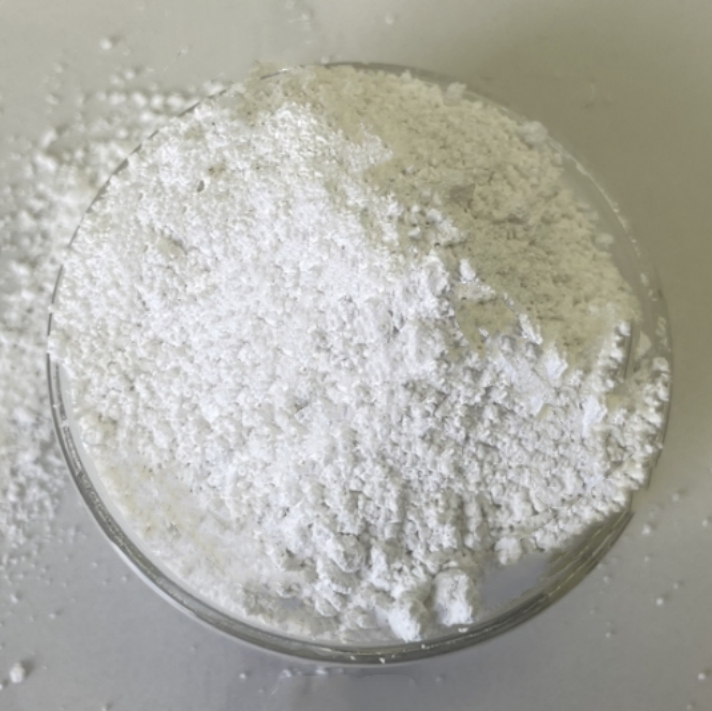
Batch manufacturing benefits immensely from active quicklime powder. It actively lowers your overall facility energy costs. Faster chemical reactions mean substantially shorter batch cycles. You can process more units per shift using the same equipment. This efficiency boost improves your baseline operational margins directly.
Fine powders also improve suspension and dispersion characteristics. They integrate uniformly into dense liquid suspensions. This prevents hazardous "dead zones" from forming inside reactor vessels. A homogenous mix guarantees predictable thermodynamic behavior. You avoid sudden, localized heat spikes during the blending phase.
However, you must manage specific trade-offs carefully. An inverse relationship exists between high reactivity and shelf-life stability. Fine powders exhibit increased hygroscopic vulnerability. They absorb atmospheric moisture rapidly from the surrounding air. This atmospheric degradation destroys their active CaO content quickly. Strict environmental controls become completely non-negotiable for storage.
Plant safety requires constant vigilance and proactive management. Exothermic hazards represent a primary risk factor in material handling. Severe heat generation occurs when quicklime contacts water. You must establish strict protocols to prevent thermal events. Even minor roof leaks can ignite a catastrophic silo fire.
Material handling systems face intense pneumatic conveying challenges. Abrasion causes premature wear on your pipeline elbows. Blockages occur frequently if moisture enters the transfer lines. You absolutely need dry, compressed air for successful material transfer. Standard compressed air contains too much moisture for active powders.
Environmental and OSHA compliance mandates strict dust control measures. Airborne caustic dust poses serious inhalation and ocular risks. You must navigate permissible exposure limits carefully to protect workers. Proper filtration remains essential at all transfer points. Facilities should install high-efficiency baghouses at every silo discharge point.
Store all materials in climate-controlled, dry warehouse environments.
Utilize double-sealed bulk bags to prevent premature moisture ingress.
Inspect silo pressure relief valves monthly to avoid structural ruptures.
Train all personnel on exothermic burn treatments and emergency protocols.
Evaluating packaging mandates ensures long-term storage viability. Bulk tanker deliveries work well for high-volume, rapid consumption. They minimize ambient air exposure during the silo transfer process. Alternatively, moisture-proof FIBCs offer better protection for slower usage rates. They contain specialized internal liners designed to block atmospheric humidity.
Sourcing reliable calcium oxide for chemicals demands a robust strategy. Frame this procurement as a deep technical partnership. It should never function as a simple spot buy. The cheapest supplier often costs you the most in ruined batches. You need a vendor committed to long-term quality control.
You must analyze the Certificate of Analysis rigorously. Demand comprehensive lot-to-lot consistency data upfront. Look for obvious red flags in their variance reports. Frequent fluctuations in available CaO signal poor kiln control. Elevated iron content suggests deteriorating refractory brick inside their processing kilns.
Supply chain resilience actively prevents expensive plant downtime. Evaluate the geographic proximity of potential vendor kilns. Ensure they possess geographic redundancy in their production network. Short lead times keep your daily operations running smoothly. A single-source kiln poses an unacceptable risk to your facility.
Accepting a generic CoA instead of a batch-specific analysis.
Failing to audit the supplier's transportation and moisture-control methods.
Ignoring the physical particle size distribution metrics on the specification sheet.
Take specific next-step actions before signing any long-term contracts. Request several lab-scale samples for internal testing. Conduct thorough pilot slaking tests in your own facility. Finally, initiate a technical audit of the supplier's milling process. This proactive approach verifies their actual quality control capabilities firsthand.
Specifying the correct grade and form of calcium oxide remains crucial. It stands as the highest-leverage decision you can make for process efficiency. It directly prevents batch contamination and mitigates severe handling hazards. Standard agricultural or commercial limes simply cannot deliver the necessary chemical consistency. Your synthesis processes demand materials engineered specifically for precision and high reactivity.
Take time to review your current material specifications carefully. Compare them directly against your historical manufacturing yield data. You will likely uncover distinct areas for immediate improvement. We strongly encourage you to contact a technical specialist today. Request a high-purity chemical-grade sample and demand a detailed CoA. This proactive step guarantees better process predictability and ensures safer daily operations for your entire facility.
A: Calcium oxide (quicklime) is the highly reactive, unhydrated form. It generates immense exothermic heat upon moisture contact. It serves active applications like rapid desiccation and chemical synthesis. Calcium hydroxide (slaked lime) is already hydrated. It remains physically stable and non-exothermic. Facilities typically use it in passive applications like gradual pH neutralization and water treatment.
A: Active quicklime powder degrades rapidly if exposed to ambient humidity. This atmospheric process converts it back into inert calcium carbonate. In standard permeable paper bags, it loses significant reactivity within weeks. However, tightly sealed, moisture-proof bulk bags or environmentally controlled secure silos can successfully extend its shelf life to several months.
A: Silica creates destructive abrasive grit within the lime mixture. In automated chemical processing, this grit aggressively erodes expensive pump seals, pipelines, and control valves. Furthermore, silica can form highly insoluble silicates during high-temperature synthesis. This leads to severe equipment scaling, reduces thermal transfer efficiency, and requires incredibly costly maintenance downtime.
A: No. You should never substitute agricultural lime in precision chemical manufacturing. Agricultural lime contains catastrophic impurity levels, including excessive heavy metals and inert grit. It also features wildly inconsistent particle sizes. This substitution results in unpredictable reaction kinetics, entirely ruined chemical batches, and dangerous thermal anomalies inside your reactor vessels.