
close
Choose Your Site
Global
Social Media

Calcium oxide, commonly known as quicklime, plays a vital role in numerous industrial applications. But what exactly is calcium oxide, and why is understanding its ionic nature important? This article explores the composition and properties of calcium oxide, highlighting the significance of ionic bonds in its structure. You'll learn about its formation, uses, and safety considerations.
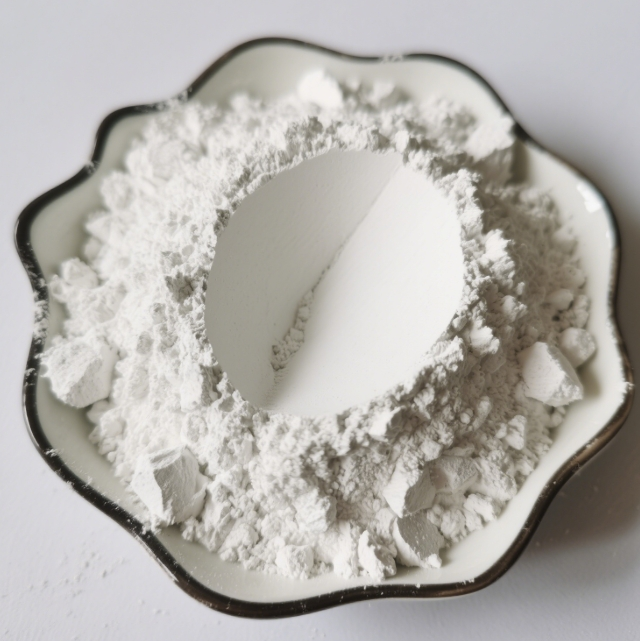
Calcium oxide is a chemical compound made from calcium and oxygen atoms. Its chemical formula is CaO. This means one calcium atom bonds with one oxygen atom to form a molecule. Calcium oxide is commonly called quicklime or burnt lime. It appears as a white, powdery or lumpy solid at room temperature.
The compound forms when calcium, a metal, loses two electrons to become a positively charged ion (Ca⊃2;⁺). Oxygen, a non-metal, gains those two electrons to become a negatively charged ion (O⊃2;⁻). This transfer of electrons creates an ionic bond between calcium and oxygen ions. The strong attraction between these oppositely charged ions holds the compound together.
Calcium oxide goes by several names depending on the context or industry:
● Quicklime: This name refers to its rapid reaction with water, producing heat.
● Burnt lime: This highlights the heating process used to make it.
● Lime: A general term often used in construction or chemical industries.
● Caustic lime: Refers to its reactive, corrosive nature.
● Oxocalcium: A less common chemical name.
These synonyms help identify calcium oxide in different fields, such as construction, chemical manufacturing, or environmental applications.
The compound is widely used because of its basic nature and its ability to react with water, acids, and carbon dioxide. For example, when calcium oxide reacts with water, it forms calcium hydroxide (slaked lime), which is useful in construction and water treatment.
Note: When sourcing calcium oxide for industrial use, always verify the purity and form (powder or lumps) as different applications require specific grades.
Calcium oxide (CaO) forms through ionic bonding, a process where atoms transfer electrons to achieve stability. In this compound, calcium, a metal, loses two electrons, becoming a positively charged ion (Ca⊃2;⁺). Oxygen, a non-metal, gains those two electrons, turning into a negatively charged ion (O⊃2;⁻). This electron transfer creates an electrostatic attraction between the oppositely charged ions, holding them together in a strong ionic bond.
This ionic bond is the key reason calcium oxide exists as a solid at room temperature and has a high melting point. The strength of the bond comes from the full charges on the ions, which pull them tightly together in a crystal lattice structure. This structure makes calcium oxide stable and gives it its characteristic properties.
The calcium ion (Ca⊃2;⁺) acts as the cation, carrying a positive charge due to losing electrons. Its relatively large size and charge allow it to attract oxygen ions strongly. The oxygen ion (O⊃2;⁻), carrying a negative charge, balances the charge of calcium ions by attracting them.
Together, these ions form a repeating pattern in the solid state, called an ionic lattice. This arrangement maximizes the attraction between the ions and minimizes repulsion, making the compound very stable.
Because calcium loses two electrons, and oxygen gains two, the charges perfectly balance, resulting in a neutral compound. This balance is essential for the formation of ionic compounds.
The ionic nature of calcium oxide explains many of its behaviors, such as:
● High melting and boiling points due to strong ionic bonds.
● Its ability to conduct electricity when molten or dissolved in water, as the ions move freely.
● Its reactivity, especially with water, where it forms calcium hydroxide by ionic interactions.
Calcium oxide (CaO) is a white or slightly gray solid that often appears as a powder or in lumps. It has a crystalline structure typical of ionic compounds. Here are some key physical traits:
● Appearance: White, powdery or lumpy solid
● Melting Point: Very high, about 2,613 °C (4,735 °F)
● Boiling Point: Around 2,850 °C (5,162 °F)
● Density: Approximately 3.34 g/cm³
● Solubility: Slightly soluble in water but reacts quickly to form calcium hydroxide
● Hardness: It is a hard material due to strong ionic bonds
● Electrical Conductivity: Does not conduct electricity in solid form but conducts when molten or dissolved in water because ions move freely
These physical properties arise from its strong ionic bonds and crystal lattice structure. The high melting and boiling points reflect the energy required to break the ionic bonds between calcium and oxygen ions.
Calcium oxide is highly reactive, especially because of its ionic nature. Some important chemical behaviors include:
● Reaction with Water: Reacts exothermically with water to produce calcium hydroxide (slaked lime), releasing heat:CaO+H2O→Ca(OH)2This reaction is rapid and produces steam, making it useful in various applications like construction and water treatment.
● Reaction with Carbon Dioxide: Slowly reacts with CO₂ in the air to form calcium carbonate, a chalky solid:CaO+CO2→CaCO3This process is called carbonation and is important in cement chemistry.
● Reaction with Acids: Being basic, calcium oxide reacts with acids to form salts and water. For example, with hydrochloric acid:CaO+2HCl→CaCl2+H2O
● Basic Nature: Calcium oxide is strongly basic, making it useful in neutralizing acidic soils or waste streams.
● Stability: It is stable under dry conditions but absorbs moisture and carbon dioxide from the air, which can alter its composition over time.
The chemical properties stem from the ionic bond between Ca⊃2;⁺ and O⊃2;⁻ ions. The strong electrostatic forces make the compound reactive but also stable enough for industrial use.
Calcium oxide is mainly prepared by heating calcium carbonate-rich materials like limestone or seashells. This heating process is called calcination. It involves thermal decomposition of calcium carbonate (CaCO₃) at high temperatures, usually between 1070°C and 1270°C, but below the melting point of the material.
During calcination, calcium carbonate breaks down into calcium oxide (CaO) and carbon dioxide (CO₂) gas:
CaCO3 heat CaO+CO2
This reaction is reversible, so to push it forward, the CO₂ produced is continuously removed from the kiln. This follows Le Chatelier's principle, which states that removing a product shifts the reaction toward more product formation.
Industrial calcination usually takes place in rotary kilns or lime kilns. These furnaces rotate or use controlled airflow to ensure even heating and efficient removal of CO₂. The process requires careful temperature control to avoid melting or sintering the material.
The primary raw materials for calcium oxide production are natural sources rich in calcium carbonate. Common materials include:
● Limestone: The most widely used source, abundant and inexpensive.
● Marble: A high-purity form of calcium carbonate, used when a purer CaO product is needed.
● Seashells: Naturally occurring calcium carbonate from marine organisms, sometimes used in smaller-scale or specialized production.
These materials are crushed and screened before calcination to ensure uniform particle size for efficient heat transfer.
Impurities like magnesium carbonate, silica, or alumina in the raw materials can affect the quality and properties of the final calcium oxide. High purity limestone yields better quicklime, important for applications like chemical manufacturing or water treatment.
Calcium oxide, often called quicklime, is a key material in many industries due to its strong basic nature and reactivity. Here are some major industrial uses:
● Cement and Construction: Calcium oxide is essential in making cement. It reacts with water and other materials to form strong binding compounds. It also helps stabilize soil for building roads and foundations.
● Steel Manufacturing: In steel production, calcium oxide removes impurities like sulfur and phosphorus. It acts as a flux, combining with unwanted materials to form slag, which is easier to remove.
● Chemical Industry: It serves as a base in producing various chemicals, including calcium hydroxide, calcium carbide, and synthetic dyes. It also neutralizes acidic waste and treats water by removing hardness.
● Paper Production: Calcium oxide helps in the chemical processing of wood into pulp. It aids in recycling chemicals and neutralizing waste in paper mills.
● Environmental Applications: It is used to treat wastewater, control pollution by neutralizing acidic gases in flue emissions, and stabilize hazardous waste.
● Petroleum Industry: Calcium oxide neutralizes sulfur compounds in petroleum refining, reducing pollution and corrosion in equipment.
● Mining: It assists in rock fracturing and ore processing by altering chemical conditions.
Beyond industry, calcium oxide impacts daily life in several ways:
● Water Treatment: It softens hard water by precipitating calcium and magnesium ions. This improves water quality for households and industries.
● Agriculture: Farmers use calcium oxide to neutralize acidic soils, improving crop yields and soil health.
● Food Industry: It acts as a food additive for clarifying sugar and stabilizing products.
● Disinfectant: Calcium oxide's high alkalinity makes it useful for sanitizing and disinfecting surfaces, including in agriculture and waste management.
● Construction Materials: It is a component of plaster and mortar, materials used in homes and buildings.
● Heat Generation: When mixed with water, calcium oxide releases heat, useful in heating applications and self-heating cans.
These uses highlight calcium oxide's versatility, driven by its ionic nature and chemical reactivity. Industries rely on it for processes requiring strong bases and effective neutralization, while everyday applications benefit from its ability to improve water, soil, and materials.
Calcium oxide, also known as quicklime, is a highly reactive compound. Its strong basic nature makes it capable of causing several health hazards if not handled properly. When inhaled, calcium oxide dust can irritate the respiratory system, causing coughing, sneezing, and difficulty breathing. Prolonged or heavy exposure may lead to more serious lung conditions.
Contact with skin or eyes can cause severe irritation or chemical burns. Since calcium oxide reacts exothermically with moisture, including sweat or tears, it can generate heat that worsens tissue damage. Accidental ingestion is dangerous and can burn the mouth, throat, and stomach lining.
In industrial environments, workers may face risks from airborne dust or accidental spills. Even in smaller-scale applications like gardening or water treatment, improper handling can lead to exposure. Awareness of these hazards is crucial to prevent injuries and long-term health issues.
To minimize risks, follow these safety guidelines when working with calcium oxide:
● Personal Protective Equipment (PPE): Always wear gloves, safety goggles, and a dust mask or respirator to prevent skin, eye, and lung exposure.
● Ventilation: Use calcium oxide in well-ventilated areas to avoid inhaling dust or fumes.
● Storage: Keep calcium oxide in airtight, moisture-proof containers to prevent it from reacting with water vapor or carbon dioxide in the air.
● Spill Management: In case of spills, avoid dry sweeping which can raise dust. Instead, dampen the material carefully before cleanup.
● First Aid: If calcium oxide contacts skin or eyes, rinse immediately with plenty of water and seek medical attention if irritation persists. For inhalation exposure, move to fresh air and get medical help if breathing difficulties occur.
● Training: Ensure all personnel handling calcium oxide are trained in its hazards and safe use procedures.
Employing these practices helps protect workers and anyone else who might come into contact with calcium oxide. Proper training and equipment reduce accidents and maintain a safe working environment.
Calcium oxide is an ionic compound formed by calcium and oxygen ions. It has strong ionic bonds, high reactivity, and wide industrial applications. Understanding its properties aids in predicting its behaviors and safe handling. Future uses in construction, steel manufacturing, and environmental applications are promising. Hongyu offers high-quality calcium oxide, ensuring optimal performance and safety. Their expertise and product quality provide significant value to industries requiring reliable, reactive compounds.
A: Calcium oxide, also known as quicklime, is a chemical compound made from calcium and oxygen with the formula CaO. It forms through ionic bonding between calcium and oxygen ions.
A: Calcium oxide is used in cement production, steel manufacturing, chemical processing, and environmental applications due to its basic nature and reactivity.
A: Calcium oxide is ionic because calcium loses electrons to become a positive ion, while oxygen gains electrons to become a negative ion, creating a strong electrostatic attraction.


