
close
Choose Your Site
Global
Social Media

Views: 0 Author: Site Editor Publish Time: 2025-07-16 Origin: Site
Quick lime calcium oxide is a white, harsh, and basic material. Its chemical formula is CaO. This compound forms when limestone gets very hot. Quick lime calcium oxide reacts quickly and soaks up water well. It is very important in many industries around the world. About 283 million tonnes are made each year. Its special features make it needed in steel, building, and chemical work.
Industry | Percentage of Global Quicklime Use | Description of Usage |
|---|---|---|
Steel Sector | Over 45% | Takes out unwanted stuff in making steel. |
Construction | Not quantified | Helps make soil stronger and is used in mortar. |
Chemical Industry | Not quantified | Makes things like calcium hydroxide and calcium carbonate. |
Quick lime calcium oxide (CaO) is a white, hard material. It is made by heating limestone. People use it a lot in steel, building, and chemical work.
It reacts fast with water to make calcium hydroxide. This reaction gives off heat. This helps make cement, mortar, and clean steel.
There are different types of quick lime for different jobs. Some are for making steel. Others are for cleaning water or for food.
Quick lime helps soil for farming. It also cleans water and air. It helps treat waste, so it is good for the environment.
It is important to handle quick lime safely. It can burn your skin and eyes. Wear safety gear and keep it dry to stop accidents.
Quick lime calcium oxide is white and very strong. Chemists call it calcium oxide. People make it by heating limestone until it gets very hot. This heat removes carbon dioxide gas. What is left is a solid material. Quicklime is important for many jobs. It is used to make Portland cement. When quicklime touches water, it turns into calcium hydroxide. This helps make concrete strong and long-lasting. Quick lime calcium oxide is also used in steelmaking, cleaning the environment, and farming. Companies like Changshu Hongyu sell pure quicklime for these uses.
Note: Quicklime mixes with water very fast and gets hot. This makes it helpful for many chemical and factory jobs.
The chemical formula for quick lime calcium oxide is CaO. This means each piece has one calcium atom and one oxygen atom. People get calcium oxide by heating limestone or seashells in a special oven. The reaction is:
CaCO₃ (limestone) → CaO (quicklime) + CO₂ (carbon dioxide)
This is called calcination. It happens at very high heat, between 1070°C and 1270°C. The result is a white powder or lump. Calcium oxide is made of ions. It has Ca⊃2;⁺ and O⊃2;⁻ ions stuck together by strong bonds. Quicklime reacts with water to make calcium hydroxide. This reaction gives off heat and makes slaked lime:
CaO + H₂O → Ca(OH)₂
Calcium oxide is also used to make other things, like calcium carbonate and nano calcium carbonate.
Quick lime calcium oxide comes in different shapes and sizes. Each type is used for different jobs. The most common types are:
Product Name | Physical Form / Size Description | Typical Applications / Notes |
|---|---|---|
Standard Quicklime | Pebble sizes: 2", 1", ½"; Granular ~¼" | Used in steel, metals, flue gas treatment, industrial uses |
Pulverized Quicklime | Fine particle size, treated and untreated forms | Glass, fiberglass, steel industries |
Activated Fine Lime (AFL) | Fine lime with less impurities, faster reacting | Water treatment applications |
MicroCal® O | Multiple particle sizes: OF100 (coarse), OF200 (medium), OF325 (fine), OFT15 (ultrafine), OXP (low impurities) | Chemical manufacturing requiring purity and reactivity |
PolyCal® O | Fine to ultrafine sizes: OS325 (fine, slow reacting), OF325 (fine, fast reacting), OFT15 (ultrafine) | Rubber and plastics industries, moisture control |
VitaCal® O Food Grade | High purity, food grade quicklime | Food industry, meets Food Chemical Codex standards |
PetroCal® O | Coarse and fine grades: OS100 (coarse, slow reacting), OF100 (coarse, fast reacting) | Petroleum additives industry |
Companies like Changshu Hongyu make quicklime in pebble, grain, and powder forms. Customers pick the type they need. Steel plants use pebble quicklime. Water plants use fine or activated lime. Food-grade quicklime is very pure for food jobs. Other products, like calcium hydroxide and light calcium carbonate, also come in many types and sizes for different uses.
Picking the right kind of calcium oxide helps each job work better and faster.
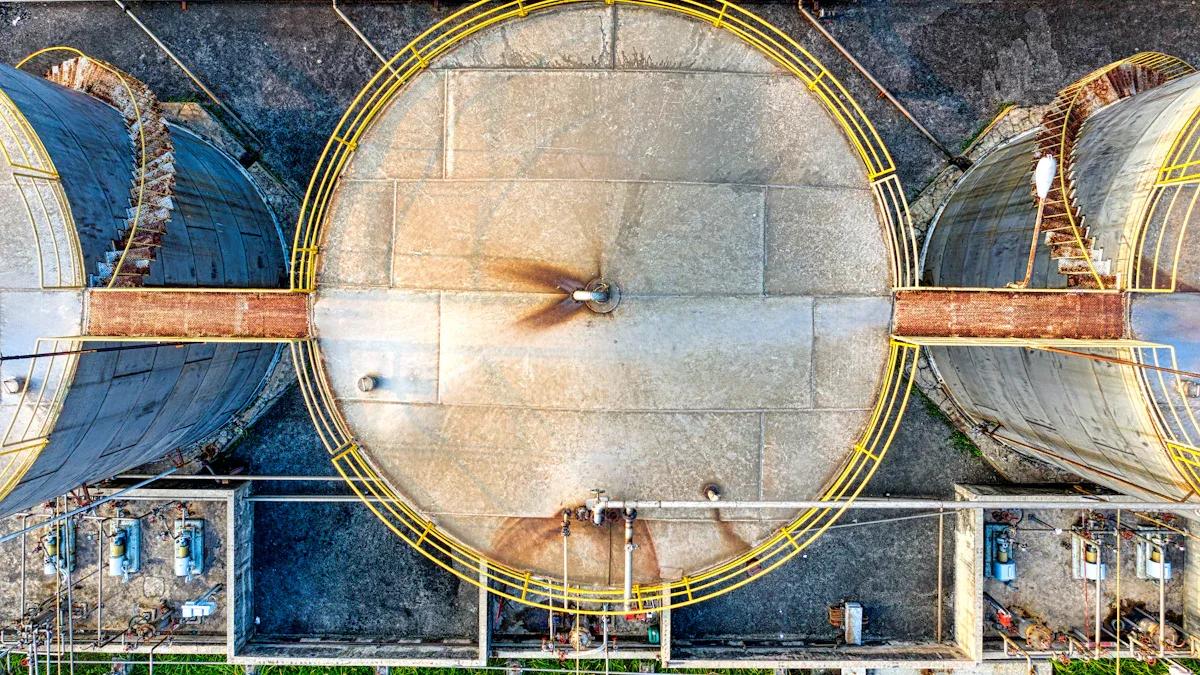
Calcium oxide has special physical properties. It looks like a white or pale yellow powder. Sometimes, it is a grayish-white solid. Its density is about 3.34 g/cm³. This means it is heavier than many building materials. It can handle very high heat. It does not break down easily when hot. Its melting and boiling points are very high. The crystal shape is cubic. This makes it strong and stable.
Property | Value |
|---|---|
Melting Point | About 2613–2614 °C |
Boiling Point | About 2850 °C |
Density | 3.25 – 3.38 g/cm³ |
Appearance | White to grayish-white powder or solid |
Crystal Structure | Cubic or face-centered cubic (FCC) |
These features make calcium oxide great for tough jobs. It works well in places with high heat. Steelmaking and cement plants use it a lot. Its high melting point and density help it last in harsh places.
Calcium oxide has strong chemical properties. It is a basic oxide. This means it reacts fast with acids and water. When it touches water, it makes calcium hydroxide. This reaction gives off a lot of heat. People call this hydration. The chemical equation is:
CaO(s) + H₂O(l) → Ca(OH)₂(s)
This reaction is key for making mortar and plaster. Calcium oxide also reacts with acids. It forms calcium salts and water. For example, with hydrochloric acid, it makes calcium chloride and water:
CaO(s) + 2HCl(aq) → CaCl₂(aq) + H₂O(l)
Calcium oxide can soak up water from the air. This shows it is hygroscopic. It also reacts with ammonium salts. This makes ammonia gas. These chemical properties make calcium oxide a strong base. It is used in many chemical jobs.
Calcium oxide reacts quickly, especially with water and carbon dioxide. When it meets water, it reacts fast and makes a lot of heat. This can get so hot it may start fires. These features make it useful for jobs needing quick changes.
Calcium oxide also reacts with carbon dioxide in the air. First, it takes in water and turns into calcium hydroxide. Then, it reacts with carbon dioxide to make calcium carbonate. This is important for making ground and nano calcium carbonate. The reaction with carbon dioxide helps clean the air.
Here are some main reactions and uses of calcium oxide:
It reacts with water to make calcium hydroxide. This is used in bricks, cement, and glass.
It helps clean and refine steel, aluminum, and sugar.
It acts as a flux in metal work and treats waste and sewage.
The calcium hydroxide made can neutralize acids. This makes calcium oxide good for acid clean-up.
The reaction with water can get very hot. It can cause burns or fires if not handled right.
⚠️ Note: Calcium oxide reacts fast, so it must be kept dry. If it gets wet or touches acids, it can get very hot and make dangerous calcium hydroxide.
Calcium oxide breaks down at very high heat. When it gets hotter than its melting point, it splits into calcium and oxygen gases. This is important for jobs that need pure calcium or oxygen.
The features of lime, like its reactivity and how it breaks down, make it useful in many jobs. Changshu Hongyu makes pure calcium oxide with few impurities. This helps it work well in all these reactions.

Quicklime is mostly made from limestone found in nature. Limestone is a rock with lots of calcium carbonate. Some limestone has magnesium carbonate too, and this makes dolomitic limestone. Workers get limestone from quarries or mines owned by companies. Changshu Hongyu picks limestone that is very pure, often over 97%. This high purity helps make better calcium oxide. The limestone gets crushed into small pieces before going into the kiln. Limestone has some impurities like silica, alumina, and iron. These do not cause problems for most building or factory uses. The final product’s value depends on how much calcium oxide and magnesium oxide are left after heating. Using pure limestone makes quicklime that works well and has few impurities. Companies like Changshu Hongyu watch every step, from mining to the end, to keep quality high.
The next step is called calcination. Workers put the crushed limestone into a kiln. The kiln gets very hot, between 900°C and 1050°C. At these high temperatures, the calcium carbonate breaks apart. The chemical reaction is:
CaCO₃ + heat → CaO + CO₂
This means the limestone changes into calcium oxide and lets out carbon dioxide gas. The process needs steady, high heat to work right. Modern kilns, like rotary kilns, help keep the heat even. Changshu Hongyu uses smart tools, like sensors and real-time checks, to control the kiln. These tools save energy and help make pure, active quicklime. Quality control tools, like XRF and NIR, check if the product is pure and active. This careful checking means the calcium oxide is very pure, works well, and has few impurities. The company’s new systems also help lower pollution and make the process greener. After calcination, the quicklime cools down and is ready to use or to be made into other products like calcium hydroxide or light calcium carbonate.
Tip: Using smart technology and careful checks helps quicklime meet the needs of building, steel, and environmental jobs.
Quick lime has been used in building for a long time. Builders have trusted calcium oxide for thousands of years. When you add water to calcium oxide, it makes slaked lime. This turns into a sticky paste. The paste is great for making mortar and plaster. Old buildings like the pyramids and the Great Wall used lime mortars. Today, quick lime is still important for making cement. It reacts with clay and water to make clinker. Clinker is then ground into cement powder. Workers also use calcium oxide to make soil stronger. This helps building foundations last longer.
Main uses in construction:
Making cement
Making mortar and plaster
Making soil stronger for roads and buildings
Steel plants need quick lime to clean and purify hot metal. Calcium oxide acts as a flux in steel furnaces. It helps remove things like sulfur, phosphorus, and silica. These mix with quick lime to form slag. This helps make steel that is strong and clean. Quick lime also helps control how thick the slag is. It keeps the furnace hot and saves energy. Changshu Hongyu gives steel plants pure calcium oxide. This helps them get good results and meet tough rules.
Key uses in steelmaking:
Removing bad stuff (sulfur, phosphorus, silica)
Making and controlling slag
Keeping furnaces hot and saving energy
Farmers use quick lime to make soil better. Calcium oxide raises the pH of soil. This means it makes soil less acidic. It also lowers harmful things like aluminum and manganese. This helps crops grow better. Quick lime gives plants the calcium they need. When farmers mix lime into soil, crops grow more and soil gets stronger. High-calcium quick lime, like from Changshu Hongyu, works well for liming fields.
Quick lime is used to help the environment in many ways. Water plants use calcium oxide to clean acidic water and take out heavy metals. In air cleaning, quick lime reacts with sulfur dioxide to lower pollution. Waste sites use lime to make dangerous waste safer and stop bad smells. Quick lime also helps fix land by treating oil waste and making soil better for new use.
Environmental Application | Role of Calcium Oxide |
|---|---|
Water and Wastewater Treatment | Cleans acids, removes metals, helps treat sludge |
Flue Gas Desulfurization | Takes out sulfur dioxide, makes gypsum as a by-product |
Hazardous Waste Stabilization | Cleans acids, makes metals safe, lowers germs |
Land Reclamation | Treats oily waste, makes soil better for reuse |
Changshu Hongyu offers many calcium products, like calcium hydroxide and calcium carbonate. They help with building, steel, farming, and protecting the environment. Their careful work and quality checks make sure customers get good products and help for every job.
Quick lime calcium oxide can be very dangerous if not handled safely. When it touches water, it turns into calcium hydroxide, which can burn you badly. People who get quicklime or its dust on them may have:
Bad pain and burning in the eyes, nose, throat, lips, and tongue
Loss of vision if it gets in the eyes
Burns and damage to the skin
Swelling in the throat and trouble breathing if breathed in
Stomach pain, throwing up blood, and burns in the mouth or throat if swallowed
Shock and organ damage because the body’s pH changes
Do not wash quicklime off with water right away. This can make burns worse because it reacts with water. First, brush off any dry lime before rinsing. Get medical help fast. Doctors will check breathing, help with burns, and watch vital signs. How well someone recovers depends on how much quicklime they touched and how quickly they got help. Long-term problems can include dead tissue, infection, and scars. These can make it hard to breathe or eat.
Breathing in quicklime dust can also hurt your lungs. Workers who use calcium oxide or things like calcium hydroxide must wear the right safety gear to stay safe.
Standard | Exposure Limit Type | Limit Value | Notes |
|---|---|---|---|
OSHA PEL | 8-hour TWA | 5 mg/m³ | Skin notation: N |
NIOSH REL | Up to 10-hour TWA | 2 mg/m³ | Skin notation: N |
CAL/OSHA PEL | 8-hour TWA | 2 mg/m³ | Skin notation: N |
There are no short-term limits for calcium oxide, but the IDLH value is 25 mg/m³.
Storing and handling quick lime calcium oxide the right way keeps everyone safe. Companies like Changshu Hongyu follow strict rules to keep their products safe and high quality. Here are some best ways to stay safe:
Personal Protective Equipment (PPE): Workers should wear gloves, long sleeves, safety goggles, and dust masks or respirators to protect their skin, eyes, and lungs.
Workplace Safety Measures: Use quicklime in places with good airflow. Open bags and move the material slowly to stop dust. When mixing, always add lime to water slowly to control heat and stop splashing.
Proper Storage Guidelines: Keep quicklime in dry, tightly closed containers. Store it away from water, acids, and other chemicals that do not mix well. Lock storage areas to keep out people who should not be there.
Emergency Procedures: If quicklime gets on skin, wash with soap and water and take off dirty clothes. If it gets in the eyes, rinse with water for at least 15 minutes and get a doctor. If breathed in, go outside for fresh air and get help if you still feel sick. If swallowed, do not make the person throw up and get a doctor right away.
Changshu Hongyu sells good quicklime, calcium hydroxide, and calcium carbonate. They give customers clear safety tips and a steady supply. Following these steps keeps workers safe and helps get the best results in building, environmental, and factory jobs.
️ Always follow safety rules and wear the right gear when working with quick lime calcium oxide.
Quick lime calcium oxide is useful in many industries today. It reacts fast and is very basic and caustic. These features help in building, making steel, farming, cleaning water, and making chemicals.
Many jobs need quick lime for cement, better soil, and cleaning steel.
Other products, like calcium hydroxide and calcium carbonate, are also important in these areas.
Picking good quick lime and a trusted company like Changshu Hongyu keeps work safe. It also gives steady results and good help with problems.
Quick lime is called calcium oxide, or CaO. Hydrated lime is called calcium hydroxide, or Ca(OH)₂. Quick lime changes into hydrated lime when it touches water. Builders and farmers use both types. Hydrated lime is easier and safer to use.
Keep quick lime in a dry, closed container. Do not let water or acids touch it. If quick lime gets wet, it will react and lose power. Changshu Hongyu gives tips on how to store calcium oxide products.
Yes, quick lime can help clean water. It takes out bad stuff and makes acids weaker. Many water plants use calcium oxide and calcium carbonate for this job. Changshu Hongyu sells pure quick lime for these uses.
Farmers use quick lime to make soil better and less acidic. You must be careful because it can burn your skin. Always follow safety rules and wear protective gear when using calcium oxide in fields.
Changshu Hongyu sells calcium oxide, calcium hydroxide, and calcium carbonate. Their products are very pure and have few impurities. Visit Changshu Hongyu’s product page to learn more or ask for a price.


