
close
Choose Your Site
Global
Social Media

Views: 0 Author: Site Editor Publish Time: 2025-10-28 Origin: Site
Have you ever wondered what makes quicklime so reactive? Calcium oxide, commonly known as quicklime, is a fascinating compound with diverse applications. This article explores its role in construction, steel manufacturing, agriculture, and environmental protection. You'll learn about its properties, preparation methods, and significant chemical reactions. Discover why calcium oxide is indispensable across various industries.
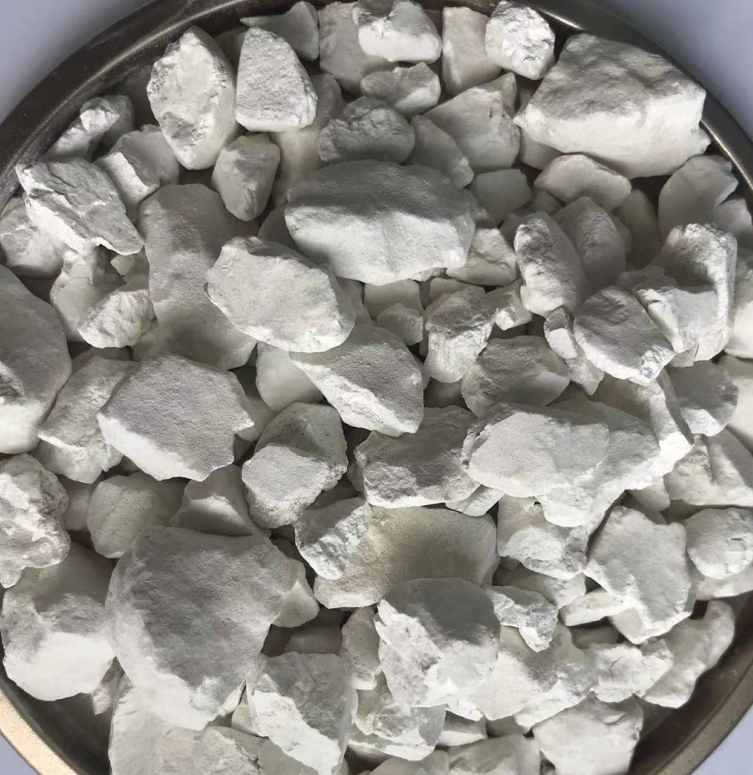
Calcium oxide is a chemical compound made of calcium and oxygen atoms. Its chemical formula is CaO, where Ca stands for calcium and O for oxygen. This compound forms when calcium reacts with oxygen, creating an ionic bond. It appears as a white, crystalline solid at room temperature. Because of its fast reaction with water, it is commonly called quicklime.
Calcium oxide goes by several names, including:
● Quicklime
● Burned lime
● Baked lime
● Caustic lime
These names often reflect how it is produced or its physical characteristics. For example, "quicklime" highlights its rapid reaction with water, releasing heat.
Calcium oxide has been important for centuries. It is one of the earliest chemicals used by humans, dating back to the Middle Ages. People used it for construction, such as making mortar and cement, which helped build roads and buildings. Its ability to react quickly and produce heat made it valuable for various applications, including metal extraction and agriculture.
Over time, calcium oxide's role expanded into many industries. Its versatility comes from its unique chemical and physical properties, making it essential in modern manufacturing, environmental protection, and chemical processes.
Calcium oxide (CaO) is a white, crystalline solid that feels hard and dense. It has no smell and appears as a fine powder or lumps. At room temperature, it remains solid and is quite stable. It absorbs moisture from the air, turning into calcium hydroxide (Ca(OH)₂) when exposed to water vapor. It has a very high melting point, about 2,572°C (4,662°F), which means it can withstand extremely high temperatures without melting. This makes it useful in industries requiring heat-resistant materials. Calcium oxide is insoluble in alcohol and most organic solvents but dissolves readily in water, forming a strongly alkaline solution.
Chemically, calcium oxide is a highly reactive compound. It is a strong base, meaning it can neutralize acids effectively. When it reacts with water, it forms calcium hydroxide and releases a lot of heat, a reaction called slaking. This exothermic reaction is rapid and vigorous:
CaO (s) + H₂O (l) → Ca(OH)₂ (aq) + heat
It also reacts with acids to produce calcium salts and water. For example, reacting with hydrochloric acid yields calcium chloride:
CaO (s) + 2HCl (aq) → CaCl₂ (aq) + H₂O (l)
Calcium oxide reacts with carbon dioxide from the air or other sources to form calcium carbonate, which is a common component of limestone:
CaO (s) + CO₂ (g) → CaCO₃ (s)
This reaction is important in processes like flue gas desulfurization and carbon capture.
Calcium oxide’s reactivity extends beyond water, acids, and carbon dioxide. It can combine with sulfur dioxide to form calcium sulfite, useful in pollution control. It also reacts with metal oxides and other compounds to form various calcium salts used in industry. The compound’s ionic nature, with calcium ions (Ca⊃2;⁺) and oxide ions (O⊃2;⁻), makes it highly reactive and useful as a chemical base or flux.
Because of these properties, calcium oxide is widely used in industries such as construction, steel manufacturing, agriculture, and environmental protection. Its ability to react quickly and produce heat makes it valuable in many chemical processes.
Calcium oxide is mainly prepared by heating calcium carbonate, commonly known as limestone, in a process called calcination. This process involves heating limestone to temperatures above 825°C (about 1,517°F). At this high temperature, calcium carbonate breaks down into calcium oxide and carbon dioxide gas:
CaCO₃ (s) + heat → CaO (s) + CO₂ (g)
The calcination process is performed in rotary kilns or shaft furnaces that provide continuous heat. Removing the carbon dioxide gas as it forms helps drive the reaction forward, ensuring more calcium carbonate converts into calcium oxide. This reaction is reversible, so quicklime will slowly absorb carbon dioxide if exposed to air, turning back into calcium carbonate over time.
Besides calcium carbonate, other calcium compounds can produce calcium oxide through thermal decomposition. For example:
● Calcium Hydroxide (Ca(OH)₂): When heated, it loses water and forms calcium oxide:
Ca(OH)₂ (s) → CaO (s) + H₂O (g)
● Calcium Sulfate (CaSO₄): At very high temperatures, it decomposes into calcium oxide and sulfur dioxide:
CaSO₄ (s) → CaO (s) + SO₂ (g)
These methods are less common than calcination of limestone but are useful in certain industrial contexts.
Industrially, calcium oxide is produced on a large scale using rotary kilns. These kilns rotate slowly while heating the raw material, providing even heat distribution and efficient calcination. Limestone is crushed and fed into the kiln, where it heats up and decomposes.
Key points about industrial preparation:
● Temperatures typically range from 900°C to 1,200°C.
● The process requires careful control to avoid incomplete calcination or overburning.
● Impurities in the limestone, such as magnesium oxide, silica, or alumina, affect the quality of calcium oxide produced.
● Carbon dioxide gas released during calcination is often captured or treated to reduce environmental impact.
Another industrial method involves direct oxidation of calcium metal, though this is less common due to cost and handling challenges.
To optimize calcium oxide production, maintain kiln temperatures carefully above 825°C and remove carbon dioxide promptly to maximize limestone conversion during calcination.
Calcium oxide reacts rapidly and vigorously with water. This reaction produces calcium hydroxide, also known as slaked lime, and releases a significant amount of heat:
CaO (s) + H₂O (l) → Ca(OH)₂ (aq) + heat
This exothermic process is called slaking. The calcium hydroxide formed dissolves slightly in water, creating a strongly alkaline solution called limewater. Limewater is widely used in construction and chemical industries. For example, it serves as a neutralizing agent in wastewater treatment and as a component in mortar.
Calcium oxide acts as a strong base and neutralizes acids efficiently. When it reacts with acids, it forms calcium salts and water. A common example is its reaction with hydrochloric acid:
CaO (s) + 2HCl (aq) → CaCl₂ (aq) + H₂O (l)
This reaction is useful in various industrial processes, such as producing calcium chloride, which is used for dust control and as a de-icing agent. Calcium oxide’s ability to neutralize acidic environments makes it valuable for soil treatment and flue gas desulfurization.
Calcium oxide reacts readily with carbon dioxide to form calcium carbonate, a solid commonly found in limestone and chalk:
CaO (s) + CO₂ (g) → CaCO₃ (s)
This reaction is important in environmental applications, including carbon capture and storage. It also plays a role in the cement industry, where calcium carbonate is a key ingredient. Over time, calcium oxide exposed to air absorbs CO₂, reverting to calcium carbonate, which is why quicklime must be stored carefully to maintain its reactivity.
Calcium oxide, commonly known as quicklime, plays a crucial role in construction. It is a key ingredient in making lime mortar and cement. When mixed with water, it forms calcium hydroxide, which reacts with carbon dioxide in the air to harden and set as a strong binding material. This process helps create durable roads, buildings, and infrastructure. Quicklime also improves soil stability on construction sites by reducing moisture content and increasing load-bearing capacity.
In steel production, calcium oxide serves as a fluxing agent. It helps remove impurities such as sulfur and phosphorus from molten steel. When added to the furnace, quicklime reacts with these impurities to form slag, which floats on top of the molten metal and can be easily separated. This purification improves steel quality and extends the life of steel products. Calcium oxide’s high melting point allows it to withstand the extreme heat inside steel furnaces, making it ideal for this application.
Farmers use calcium oxide to improve soil quality. Acidic soils can harm crops by limiting nutrient availability. Adding quicklime neutralizes soil acidity, raising the pH to a more favorable level for plant growth. This treatment enhances nutrient uptake, promotes healthy root development, and increases crop yields. Calcium oxide also helps control pests and diseases by improving soil structure and aeration. It is commonly applied in powdered or slurry form, depending on soil conditions.
Calcium oxide contributes to environmental protection in several ways. It is widely used in water treatment plants to purify drinking water and treat wastewater. Quicklime neutralizes acidic water, precipitates heavy metals, and removes impurities. In air pollution control, calcium oxide reacts with sulfur dioxide gas from industrial emissions to form calcium sulfite, reducing harmful sulfur emissions. This process, called flue gas desulfurization, helps meet environmental regulations and protects air quality.
Tip: When using calcium oxide in industries, always tailor its form and application method to the specific process for maximum efficiency and safety.
Calcium oxide is a highly reactive compound that can pose health risks if not handled properly. When inhaled as dust, it irritates the respiratory system, causing coughing, sneezing, or difficulty breathing. Prolonged exposure may lead to more serious respiratory issues such as asthma or bronchitis. Contact with skin or eyes can cause severe irritation or burns, as calcium oxide reacts strongly with moisture in tissues. If ingested, it can cause burns to the mouth, throat, and stomach, leading to nausea or vomiting. The heat generated when calcium oxide reacts with water can ignite flammable materials nearby, creating a fire hazard.
To minimize risks, always wear appropriate personal protective equipment (PPE) when working with calcium oxide. This includes gloves, safety goggles, and dust masks or respirators. Work in well-ventilated areas or use local exhaust ventilation to reduce airborne dust. Avoid direct contact with skin and eyes by using protective clothing. Store calcium oxide in airtight containers to prevent moisture absorption, which can cause it to heat up and react unexpectedly. When mixing with water, add calcium oxide slowly to avoid splashing and rapid heat release. Keep flammable materials away from the reaction area. Train workers on emergency procedures, including first aid for exposure.
Calcium oxide can affect the environment if released improperly. Its strong alkalinity can raise soil or water pH, harming aquatic life and plants. In water bodies, it may cause fish kills by altering oxygen levels and water chemistry. Dust emissions from calcium oxide production or handling can pollute the air, affecting nearby communities. However, calcium oxide also helps reduce environmental pollution when used correctly, such as neutralizing acidic waste streams or capturing sulfur dioxide in flue gas desulfurization. Proper disposal and containment measures are essential to prevent accidental environmental damage.
Always implement strict safety protocols and use PPE when handling calcium oxide to protect workers and prevent environmental harm.
Calcium oxide, or quicklime, is a vital compound with diverse uses in construction, steel manufacturing, and agriculture. Its reactive nature makes it essential for environmental applications like water treatment and pollution control. As industries evolve, calcium oxide's role may expand further, contributing to sustainable practices. Hongyu offers high-quality calcium oxide products, ensuring efficient and safe applications across various sectors. Their expertise provides significant value, supporting industries in optimizing processes and enhancing environmental protection.
A: Calcium oxide is an ionic compound composed of calcium and oxygen atoms, with the chemical formula CaO.
A: Calcium oxide is used in construction to make lime mortar and cement, which are essential for creating durable buildings and infrastructure.
A: Calcium oxide acts as a fluxing agent in steel manufacturing, helping to remove impurities and improve the quality of steel.
A: The cost of calcium oxide varies based on market demand, production methods, and purity levels, typically ranging from $100 to $200 per ton.
A: Calcium oxide improves soil quality by neutralizing acidity, enhancing nutrient uptake, and promoting healthy crop growth.


