close
Choose Your Site
Global
Social Media

Views: 0 Author: Site Editor Publish Time: 2026-09-09 Origin: Site
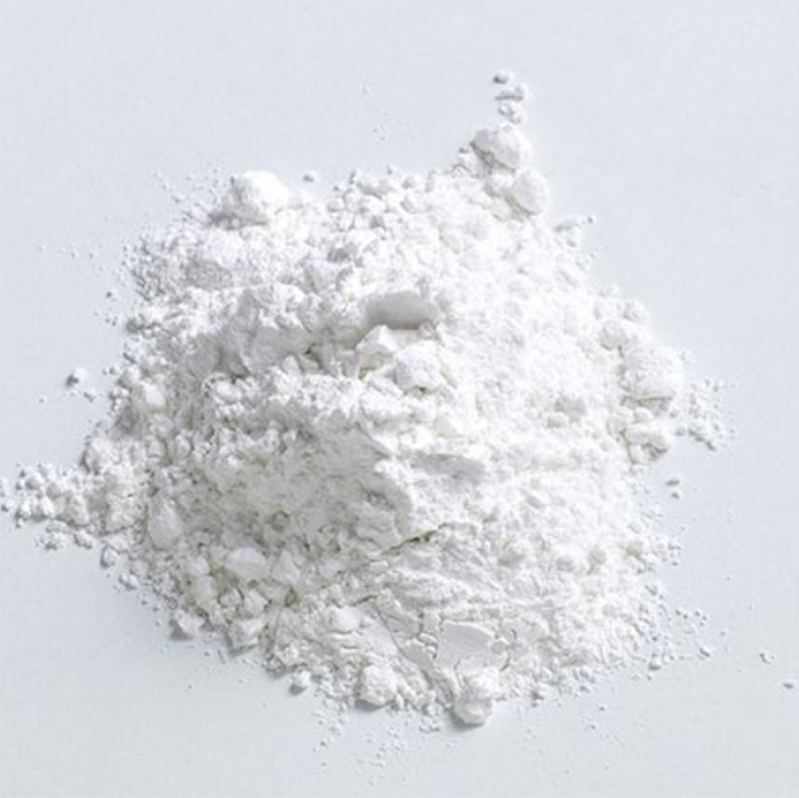
Industrial facilities face strict discharge regulations today. Failing to control pH and heavy metals brings severe consequences. You risk heavy compliance penalties and massive operational downtime. Plant managers need reliable solutions. We introduce calcium hydroxide, also known as slaked or hydrated lime. It serves as a high-efficiency, cost-effective alkali. Operators use it to neutralize acidic effluent effectively. It also forces dissolved contaminants to precipitate out of solution. The chemical economics look highly favorable. You spend significantly less per neutralizing ton. However, successful adoption demands careful planning. You must understand its specific material handling requirements. You also need to evaluate its buffering behavior and overall system compatibility. These factors determine how it performs compared to alternative liquid chemicals. We will guide you through this chemistry. You will learn implementation best practices and handling risk mitigation.
Mechanism: Calcium hydroxide provides highly efficient hydroxyl (OH⁻) ions for rapid neutralization and optimal alkalinity control.
Cost vs. Performance: It is significantly more cost-effective per neutralizing ton than sodium hydroxide (caustic soda), though it generates a higher volume of manageable sludge.
Dual-Action: Beyond pH adjustment, it actively aids in heavy metal precipitation (precipitation softening) and improves suspended solid flocculation.
System Requirements: Implementation requires purpose-built dry feeding or slurry dosing systems to prevent common scaling and line-clogging issues.
Facility engineers often struggle to standardize water chemistry. Corrosive wastewater aggressively attacks metal piping and concrete infrastructure. You must solve this baseline business problem quickly. Properly treated water prevents equipment degradation. It also ensures you meet baseline environmental discharge parameters. Plant managers rely on proven methods to maintain stable operations day after day.
The neutralizing reaction works beautifully. When introduced to water, calcium hydroxide dissociates rapidly. It releases calcium cations and highly reactive hydroxyl anions. These hydroxyl ions directly target free hydrogen ions in acidic waste streams. They form harmless neutral water molecules. This process neutralizes harsh acids safely. You avoid volatile exothermic reactions. Stronger liquid alkalis often cause dangerous heat spikes. Slaked lime keeps the thermal profile perfectly stable. Operators appreciate this predictable chemical behavior.
Achieving reliable calcium hydroxide pH adjustment requires understanding buffering capacity. Slaked lime stabilizes complex water chemistry effortlessly. Excellent alkalinity control prevents the rapid pH swings commonly associated with stronger alkalis. Strong liquids like caustic soda often cause massive overshoot. Lime acts much differently. It raises the pH steadily and holds it there. This provides sustained buffering capacity across fluctuating effluent flows. You maintain much better control over the entire treatment system. The chemistry forgives minor dosing inaccuracies.
Engineers calibrate dosing systems meticulously to hit specific setpoints. Industrial processes usually target ranges between 8.5 and 10.5. You need these exact conditions for subsequent treatment phases. Precision dosing guarantees continuous regulatory compliance. It prepares the effluent perfectly for heavy metal removal. You cannot afford to miss these specific targets.
Heavy metal solubility depends entirely on pH levels. Acidic water keeps metals completely dissolved and invisible. You cannot filter them out easily using standard media. As the pH rises, solubility drops drastically. Proper water treatment lime raises the pH to exact precipitation points. Metals like lead, copper, zinc, and chromium react rapidly. They form solid, insoluble hydroxides. These solid particles simply drop out of the solution. You can then remove them mechanically using clarifiers. This mechanism forms the backbone of compliance for plating and mining facilities.
Calcium ions provide excellent secondary benefits. They act as a powerful coagulant aid. Colloidal suspensions often resist settling entirely. The positive calcium cation destabilizes these tiny negatively charged particles. They clump together quickly into larger flocs. This flocculation process produces much denser sludge. The particles settle significantly faster than sodium-based alternatives. Plant operators notice visibly clearer effluent in their overflow weirs. You achieve lower turbidity numbers consistently.
Precipitation softening offers another massive operational advantage. Hard process water ruins downstream equipment quickly. Dissolved calcium and magnesium carbonates build up rapidly inside pipes. Lime dosing actively reduces this temporary carbonate hardness. It protects expensive boilers and cooling towers from dense scale formation. You extend the operational lifespan of your vital plant infrastructure significantly. Heat exchangers maintain their thermal efficiency longer.
We must evaluate chemical alternatives objectively. Facility managers typically compare lime against sodium hydroxide. Industry professionals call this liquid alternative caustic soda. Both chemicals neutralize acids effectively. However, their operational profiles differ completely. You must choose based on overall facility needs.
Let us examine the economic reality closely. Lime costs significantly less per pound of neutralizing capacity. You need less total mass to achieve identical pH targets. We see this cost-efficiency across large-scale applications constantly. Caustic soda prices fluctuate wildly based on global market supply. Lime maintains stable, predictable regional pricing. You can forecast your annual chemical budgets accurately. Financial controllers prefer this financial predictability.
Safety profiles vary dramatically between these options. Dry powder handling presents specific challenges. Workers must use proper respiratory masks and eye protection. Nuisance dust irritates mucous membranes quickly. Conversely, liquid caustic soda presents severe chemical burn risks. It aggressively attacks human tissue upon brief contact. Caustic soda also freezes at relatively high ambient temperatures. Operators must heat the storage tanks during winter months. Lime slurry avoids these dangerous crystallization issues entirely. You eliminate costly tank heating bills.
We must maintain transparent trustworthiness regarding waste generation. Any hydrated lime neutralization system produces higher total sludge volumes. Caustic soda generates less overall solid waste. However, the lime sludge behaves much better mechanically. It forms a highly dense, structural filter cake. You can dewater it easily using standard press equipment. This excellent dewatering capability offsets disposal volume costs. You pay to haul away less trapped water. The drier cake saves money at the landfill.
Comparison of Neutralizing Chemicals
Evaluation Criteria | Calcium Hydroxide (Slaked Lime) | Sodium Hydroxide (Caustic Soda) |
|---|---|---|
Material Cost | Highly economical per neutralizing ton | Significantly more expensive and volatile |
Handling Safety | Dust irritation; requires basic PPE | Severe chemical burns; highly hazardous |
Sludge Characteristics | High volume, fast settling, excellent dewatering | Low volume, poor settling, gelatinous cake |
Temperature Sensitivity | Stable across broad temperature ranges | Freezes easily; requires heated storage |
Switching to lime-based systems introduces specific engineering challenges. We address these realities directly based on extensive field experience. Poor system design guarantees operational headaches. You must anticipate unique material handling behaviors. Preparation prevents catastrophic system failures down the line.
Scaling and line blockages happen frequently. Calcium carbonate forms inside standard dosing lines over time. Hard scale narrows the internal pipe diameter steadily. Pumping pressure increases dangerously. We recommend several standard mitigation tactics to prevent this:
Install flexible dosing hoses instead of rigid PVC pipes.
Maintain high slurry velocities to prevent particle settling.
Implement automated daily fresh water line flushing.
Use pinch valves instead of traditional ball valves to prevent clogging.
Applying these techniques keeps your maintenance team happy. Your process runs continuously without unexpected downtime. The slurry reaches the reaction tank smoothly.
Proper slurry preparation determines your entire success. You cannot dump dry powder directly into a wastewater tank. You need specialized mixing equipment. Engineers specify bulk silos and volumetric screw feeders. Mechanical slakers or high-shear mixers agitate the mixture thoroughly. They maintain a consistent 5% to 15% slurry concentration. Good equipment prevents powder bridging or arching in the storage hopper. You get a steady, reliable chemical feed every time.
Dust control requires active, diligent management. Dry storage areas accumulate fine powder quickly during deliveries. This creates poor working environments for your staff. It also damages sensitive electrical components nearby. You must install active dust collection systems. Pulse-jet baghouses capture airborne particles during pneumatic silo filling. This ensures occupational safety and extends electrical equipment longevity. You maintain a clean, compliant facility.
Every facility needs a crystal-clear compliance strategy. We must define what successful deployment actually looks like. Success means achieving consistent continuous pH logging without wild deviations. You must reliably pass stringent heavy metal discharge limits. The environmental regulator expects perfect compliance records. Your dosing system must deliver this certainty daily.
Assess your facility readiness carefully. You must evaluate your available physical footprint. High-volume industrial consumers benefit from bulk silo storage. Silos require significant vertical clearance and sturdy reinforced concrete pads. Smaller facilities might prefer supersacks. We call these Flexible Intermediate Bulk Containers (FIBCs). FIBC systems require dedicated forklift access and specialized unloading frames. Choose the footprint matching your actual chemical consumption rate.
Automation simplifies complex industrial water treatment. Manual dosing wastes chemicals and causes erratic pH levels constantly. We strongly recommend integrating advanced automated control loops. Connect industrial pH probes directly to automated dosing pumps. Use Variable Frequency Drives (VFDs) for precise flow control. The probes read the effluent continuously in real-time. The VFD adjusts the slurry pump speed instantly. This prevents costly over-dosing scenarios. You maintain tight compliance windows effortlessly.
Here are your immediate actionable next steps. Do not purchase capital equipment blindly. Conduct a thorough treatability study first. Engineers call this essential process jar testing.
Collect representative effluent samples from your active facility outfall.
Dose the samples using properly prepared lime slurry.
Measure the exact dosage rates required to hit pH 9.5.
Calculate the resulting wet and dry sludge volumes accurately.
Evaluate the settling speed and clarity of the supernatant water.
Jar testing proves the specific chemistry works. It scales up your exact process accurately before installation.
Industrial facilities face tough choices regarding wastewater compliance today. Liquid alkalis seem simpler initially. However, they carry hidden long-term operational costs and severe safety risks. Slaked lime requires a slightly higher initial capital investment. You must buy silos, specialized mixers, and robust pumps. Yet, the long-term operational expenditure savings remain undeniable over the equipment lifecycle.
The chemical efficiency pays for the handling equipment quickly. The improved safety profile protects your valuable workforce from severe chemical burns. The superior heavy metal precipitation keeps regulators satisfied year after year. The dense sludge reduces your landfill disposal fees significantly. These compounding benefits make lime the clear, trusted industry standard globally.
Take decisive action on your wastewater strategy today. Request a comprehensive operational audit immediately. Analyze your current neutralizing chemical spend over the past twelve months. Compare those historical costs against projected lime consumption. Consult an experienced dosing equipment specialist soon. They can specify a custom slaking system for your exact flow rates. Proactive planning secures your environmental compliance and lowers overhead costs permanently.
A: It has low solubility (approx. 1.7 g/L at room temperature), which is why it is typically dosed as a suspended slurry rather than a true solution.
A: No. Agricultural lime is calcium carbonate (CaCO₃), which is virtually insoluble and highly ineffective for rapid industrial pH adjustment compared to slaked lime (Ca(OH)₂).
A: Yes. It neutralizes sulfuric acid to form calcium sulfate (gypsum). While highly effective, facilities must account for the volume of gypsum precipitate generated during this specific reaction.