close
Choose Your Site
Global
Social Media

Views: 0 Author: Site Editor Publish Time: 2026-08-29 Origin: Site
You face a critical purchasing dilemma when sourcing raw materials for your plant. Selecting the right physical form of calcium oxide is just as critical as ensuring high chemical purity. Your choice directly dictates operational efficiency on the factory floor. Chemical purity guarantees the base reaction. However, the physical shape governs how fast you can process the material.
The choice between powder and lumps impacts your daily operations on multiple levels. It alters reactivity rates during the hydration process. It dictates the exact type of storage infrastructure you must install. It also forces you to adopt specific worker safety protocols and influences your overall processing efficiency. Making the wrong choice can stall your production lines entirely.
We will introduce a clear framework for evaluating these physical forms. You must match the material form to your facility capabilities and specific end-use applications. This guide will help you understand the core differences. You will learn how to select the best physical form for your unique plant environment.
Reactivity: Calcium oxide powder offers rapid, immediate reactivity due to high surface area, while lumps provide a slower, sustained exothermic reaction.
Infrastructure: Powder requires pneumatic conveying and specialized dust-control silos; lumps can be managed with standard belt conveyors and traditional bulk storage.
Safety & Compliance: Dust generation is a major factor; powder requires strict adherence to respiratory and contact safety protocols (e.g., NIOSH/OSHA guidelines) compared to the relatively lower-dust lump form.
Cost-Efficiency: The right calcium oxide selection depends on balancing raw material costs against the facility's existing material handling equipment.
Chemical purity alone cannot drive your procurement decisions. Many buyers make the mistake of ordering high-purity material without considering its physical state. A perfectly pure product can still ruin your process if it hydrates too quickly or too slowly. The physical shape determines how the material interacts inside your specific mechanical systems.
You must understand the physics of surface area to predict reactivity. Smaller particles have vastly more surface area exposed to moisture. This exposure dictates the speed of the hydration process, often called slaking. High surface area triggers a rapid, intense heat release. Larger pieces expose far less surface area. They slake much slower and release heat over a longer period. This fundamental physics rule governs every downstream process.
The physical form also heavily influences your supply chain logistics. The density of bulk quicklime directly affects your shipping volumes. Denser materials pack tighter into transport vehicles. Finer materials trap more air and require larger transport vessels. You must also consider moisture sensitivity during transit. Finer particles absorb ambient humidity much faster than larger rocks. This can lead to degraded material before it even arrives at your receiving dock.
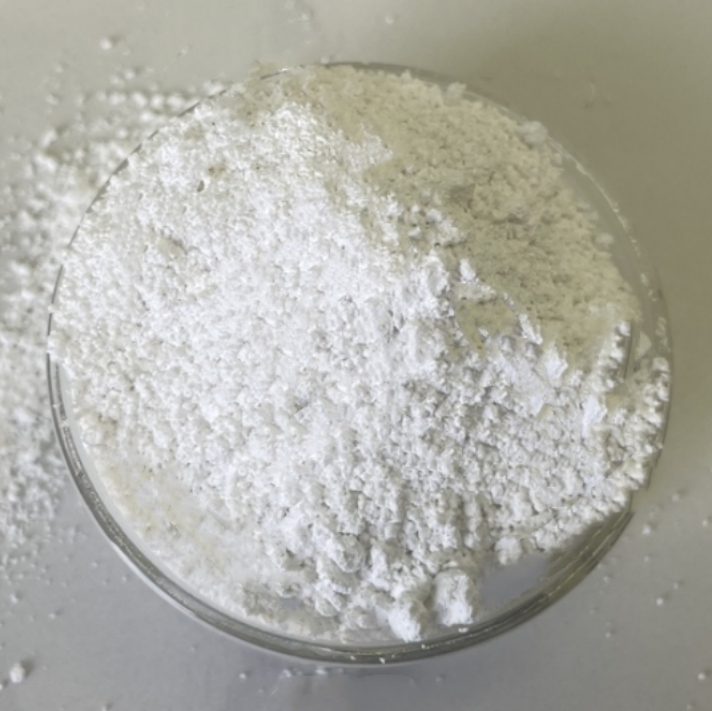
Powdered quicklime delivers extreme performance in fast-paced chemical environments. Its primary trait is immediate reactivity. The fine particle size ensures high solubility when introduced to water. This makes it perfect for rapid pH adjustment scenarios. Industrial facilities rely on this speed to neutralize acidic waste streams instantly. It also serves as a crucial component in rapid chemical synthesis processes.
Using calcium oxide powder provides distinct implementation advantages. It achieves highly uniform dispersion in liquid processes. You avoid the dead zones often caused by larger rocks settling at the tank bottom. Furthermore, fine material is ideal for automated handling. You can integrate it smoothly into pneumatic dosing systems. These automated setups offer precise, repeatable batching without manual intervention.
However, you must manage severe handling risks when deploying this fine material. High dusting potential remains the biggest operational challenge. You must invest in fully enclosed systems to prevent material loss and protect workers. Extreme moisture sensitivity poses another major threat. The fine particles eagerly absorb humidity from the air. This causes "blinding" or severe caking inside storage silos. Once it cakes, you will struggle to restore flowability.
Certain industries benefit immensely from this rapid-acting format. Let us look at the best-fit applications for quicklime powder:
Flue gas desulfurization: Power plants need rapid reaction rates to scrub sulfur dioxide from exhaust emissions efficiently.
Municipal water treatment: Facilities require fast, uniform dissolution to adjust water pH safely before distribution.
Fine chemical manufacturing: Precision synthesis demands highly reactive, perfectly dispersed alkaline additives.
Specific soil stabilization: Deep mixing methods often use fine material for immediate moisture absorption in unstable ground.
Lump form materials offer a completely different performance profile. They provide a controlled, localized thermal release. The slaking process happens much slower compared to finer alternatives. When you introduce water, the reaction works its way from the outside in. This gradual breakdown prevents sudden, dangerous temperature spikes in your mixing vessels. It gives operators much more control over the exothermic reaction.
Many legacy facilities prefer lumps because of the implementation realities. They are significantly easier and safer to store in standard bulk facilities. You do not need hermetically sealed silos to prevent immediate degradation. Furthermore, they present vastly lower airborne particulate hazards. Your workers face far less respiratory risk during routine unloading procedures. calcium oxide lumps also offer much better flowability on open mechanical conveyors. They rarely cause bridging or ratholing in traditional hoppers.
Despite these benefits, you must account for specific handling risks. If your final process requires a smooth liquid slurry, lumps create extra work. You must install and maintain on-site crushing or slaking equipment to break them down. This adds mechanical complexity to your plant. Additionally, the inherently slower reaction time can create a bottleneck. If you run continuous rapid-mix processes, you might find yourself waiting for the material to fully dissolve.
The slower, controlled reaction suits heavy industrial applications perfectly. Best-fit applications include:
BOF (Basic Oxygen Furnace) steelmaking: Steel plants use large rocks as a metallurgical flux to remove impurities from molten iron.
Metallurgical fluxing: Other metal refining processes rely on the gradual melting and reaction of large pieces.
Heavy construction: Road building often uses coarser grades to dry out massive volumes of wet clay over several days.
Large-scale environmental remediation: Treating massive sludge pits requires a slow, sustained heat release to avoid explosive boiling.
You need a structured approach to evaluate which physical form suits your operations. First, you must assess your existing processing equipment. Pneumatic conveying systems rely on air pressure to move material through pipes. These systems are absolutely mandatory for fine particulates. In contrast, mechanical conveying systems use belts, buckets, or screws. These mechanical setups are highly suitable for handling larger chunks without excessive wear or jamming.
Next, you must evaluate your storage capabilities and expected shelf life. Moisture degradation ruins highly reactive materials. Larger pieces generally outlast finer particles in less-than-ideal atmospheric conditions. The small surface area protects the inner core of the rock from ambient humidity. If your facility stores material for months in humid climates, coarse rocks offer far superior longevity.
Safety and compliance form the most critical part of this evaluation. You must reference standard NIOSH and OSHA guidelines for handling highly exothermic materials. Fine particulates demand expensive safety measures. You must evaluate the capital required to implement advanced PPE, forced ventilation, and dust collection systems. Larger pieces significantly reduce these compliance burdens. They generate minimal dust, keeping the breathing zones clear and safe for your operators.
Finally, align the material with your throughput requirements. You must match the reaction speed of the chemical to your facility timelines. Batch processes often tolerate slower slaking materials. Operators can mix a batch and let it hydrate over several hours. Continuous processes demand immediate reactions. If your slurry moves quickly through inline mixers, you must use highly reactive, finely milled materials to ensure complete dissolution.
Physical Form Evaluation Summary
Evaluation Criteria | Powder Form | Lump Form |
|---|---|---|
Conveying Equipment | Pneumatic systems (enclosed) | Mechanical belts and buckets |
Shelf Life in Humid Conditions | Short (prone to caking/blinding) | Long (only surface degradation) |
Dust Hazard Level | High (requires strict PPE/ventilation) | Low (standard handling safety) |
Reaction Speed (Slaking) | Immediate and intense | Slow, sustained, and controlled |
Transitioning between material formats introduces severe implementation risks. Exothermic hazards stand out as the primary danger. If fine particulates are exposed to unintended moisture during offloading, they trigger rapid thermal runaway. The heat spikes instantly, potentially boiling trapped moisture and causing dangerous steam explosions. In contrast, larger pieces offer a slower heat build-up. Even if accidentally wetted, they afford your operators time to respond before temperatures reach critical levels.
You must also carefully calculate equipment retrofitting expenses. The capital expenditure required to transition a facility from handling rocks to handling fine particulate is substantial. You cannot simply dump fine material onto an open belt. You will need to add precision rotary valves to control flow. You must install industrial dust collectors at every transfer point. You also must upgrade your silos to ensure they are entirely moisture-sealed.
Procurement and engineering teams must follow a strict shortlisting logic to avoid costly mistakes. Follow these actionable steps before committing to a new supplier:
Audit Existing Infrastructure: Document every conveyor, silo, and mixer in your current material handling line.
Identify Processing Bottlenecks: Determine if your current reaction speed is slowing down overall plant throughput.
Review Safety Capabilities: Assess your current dust collection systems and determine if they meet OSHA standards for fine particulates.
Request Supplier Specifications: Demand exact Particle Size Distribution (PSD) charts from potential vendors.
Execute a Small-Scale Trial: Request a trial batch to observe the slaking dynamics and material flow within your specific environment.
Choosing the correct physical form of calcium oxide is a strategic operational decision. It is fundamentally about matching material reactivity with your plant's handling infrastructure. You must balance the need for rapid chemical reactions against your ability to manage dust and moisture. Powder offers speed and precision for enclosed, automated systems. Lumps provide stability, safety, and longevity for rugged, bulk-handling environments.
Your actionable next step is to bridge the gap between procurement and engineering. Advise your buyers to request specific particle size distributions and comprehensive safety data sheets from suppliers today. Never commit to bulk contracts blindly. Always conduct a small-scale slaking trial on-site. This practical test ensures the chosen physical form aligns perfectly with your facility's safety protocols and processing timelines.
A: Yes. It has a significantly shorter shelf life in humid conditions. The fine particles possess a massive surface area. This exposes more material to ambient moisture in the air. It absorbs humidity rapidly, leading to premature hydration and severe caking. Larger pieces expose far less surface area, allowing them to resist atmospheric degradation much longer.
A: You should avoid this practice. Systems designed for larger rocks typically use open conveyors and standard hoppers. Fine material will create severe dusting hazards and coat your facility. It also carries a high risk of bridging and clogging in hoppers designed for coarse flow. Furthermore, excessive airborne dust drastically increases the risk of respiratory hazards.
A: Lumps are generally more cost-effective for bulk shipping. They boast a higher packing density. You can fit more total weight into standard railcars or dump trucks. Fine particulates contain more trapped air, reducing the payload weight per volume. Finer materials also require specialized pneumatic tanker trucks, which carry higher transport fees.
A: The primary difference is the dust hazard. Fine materials create severe airborne inhalation risks, mandating strict respiratory PPE and enclosed ventilation. They also react instantly with sweat, causing severe chemical burns on contact. Coarse materials generate far less dust. Their slower reaction time reduces the immediate risk of sudden, localized thermal burns during routine handling.