close
Choose Your Site
Global
Social Media

Views: 0 Author: Site Editor Publish Time: 2026-09-01 Origin: Site
Municipal and industrial plant operators face a relentless daily struggle. They must balance increasingly strict effluent discharge regulations against volatile chemical procurement budgets. Failing to meet these environmental standards results in steep regulatory fines. Yet, overspending on chemical treatments rapidly drains facility resources. Managing these opposing forces requires highly reliable and economically viable reagents.
Calcium hydroxide, chemically represented as Ca(OH)₂, steps in as a foundational solution to this problem. You likely recognize it as a dominant, highly alkaline reagent deployed extensively across both municipal and industrial wastewater facilities. It actively neutralizes acid streams, precipitates hazardous heavy metals, and stabilizes organic sludge.
This article thoroughly evaluates the specific applications, operational realities, and core procurement criteria of this chemical. We will explore exactly how it performs on the plant floor under continuous use. You will learn the necessary criteria to determine if it is the optimal chemical match for your facility's specific infrastructure.
Calcium hydroxide primarily serves as a highly cost-effective water neutralization chemical and pH regulator.
It is the industry standard for precipitating heavy metals, removing phosphates, and stabilizing bio-sludge.
While significantly cheaper than caustic soda (sodium hydroxide), it requires specialized handling and dosing equipment to manage slurry suspension and prevent scaling.
Sourcing high purity calcium hydroxide is critical to minimizing inert waste, reducing equipment wear, and lowering disposal costs.
Industrial facilities need reliable methods to meet stringent pH and effluent clarity regulations. They must achieve this compliance without constantly escalating their operational expenditures. The core chemistry of hydrated lime water treatment directly addresses these exact operational challenges.
Acidic wastewater streams corrode plant infrastructure and destroy biological treatment systems. Calcium hydroxide functions as a highly efficient pH adjustment lime to neutralize these harsh acids quickly. When you introduce it into the wastewater, it dissociates to release hydroxyl ions. These ions raise the pH steadily and predictably.
Biological treatment stages rely heavily on stable alkalinity. Processes like nitrification consume massive amounts of alkalinity. If pH drops too low, helpful bacteria die off. Calcium hydroxide provides essential alkalinity buffering. It protects biological basins from sudden pH crashes.
Hard water damages equipment. High levels of dissolved calcium and magnesium lead to severe scaling. Facilities often use a Cold Lime Softening process to combat this issue. Adding calcium hydroxide raises the water's pH, which forces dissolved calcium and magnesium to precipitate out as solid calcium carbonate and magnesium hydroxide.
Operators then filter out these solids. This softening process significantly lowers scaling potential in downstream infrastructure. Cooling towers, boilers, and heat exchangers all benefit from the softened feed water. It extends equipment lifespans and reduces maintenance shutdowns.
Industrial effluent often contains toxic heavy metals. Regulators heavily monitor discharge limits for metals like lead, copper, zinc, and cadmium. These metals stay dissolved in acidic conditions. Calcium hydroxide raises the effluent pH to optimal precipitation points. Different metals precipitate at different pH levels, typically between 8.5 and 10.5. The chemical converts dissolved metals into insoluble metal hydroxides. You can then remove these solid particles via standard clarifiers or sand filters.
Municipal plants also struggle to control phosphorus. Excess phosphorus causes severe downstream eutrophication and harmful algae blooms in natural waterways. Calcium hydroxide chemically reacts directly with dissolved phosphates. This reaction forms a dense calcium phosphate precipitate. The solids settle rapidly, preventing environmental damage and easily meeting strict compliance limits.
Raw biological sludge creates massive operational headaches. It poses severe biological hazards to plant workers. It generates overwhelming odor issues for surrounding communities. Furthermore, high water weight drives up disposal and transportation costs. Operators must stabilize this material before it leaves the facility.
Alkaline stabilization offers a proven path to safely manage bio-sludge. When you mix calcium hydroxide into raw sludge, a strong exothermic reaction occurs. The chemical instantly drives the sludge pH above 12. Maintaining this extreme alkaline environment for at least 72 hours halts all biological activity. Pathogens, viruses, and bacteria cannot survive these conditions.
This process also stops the organic decay responsible for foul odors. It minimizes odor-producing vectors, keeping the facility compliant with local air quality standards. The treated sludge becomes biologically dormant and safe for agricultural land application or landfill disposal.
Sludge is notoriously difficult to dewater. Its gelatinous structure holds tightly bound water. Adding calcium hydroxide drastically improves the structural integrity of the sludge matrix. The lime particles act as a bulking agent. They create microscopic channels within the sludge block.
These channels aid the mechanical dewatering process. When you process the conditioned sludge through a filter press or centrifuge, water escapes much faster. The final cake solids increase significantly. Drier sludge cakes mean less overall volume. This directly reduces final hauling volumes and slashes transportation budgets.
Plant managers constantly debate chemical selection. They often must choose between hydrated lime and liquid caustic soda (sodium hydroxide). We must compare these two alkaline reagents objectively. We base this evaluation strictly on operational impact and direct facility requirements.
Calcium hydroxide consistently offers higher neutralization capacity per dollar spent. It supplies two hydroxyl ions per molecule, whereas sodium hydroxide supplies only one. A single ton of dry lime neutralizes significantly more acid than an equivalent ton of caustic soda. This sheer chemical efficiency makes it a highly attractive option for budget-conscious facilities.
You cannot ignore the physical realities of chemical handling. The two reagents demand vastly different infrastructure designs.
Caustic Soda: This is a highly corrosive liquid. It poses severe chemical burn risks to operators. In cold climates, it requires heated storage tanks and heat-traced piping to prevent crystallization. However, dosing it remains relatively simple using standard chemical metering pumps.
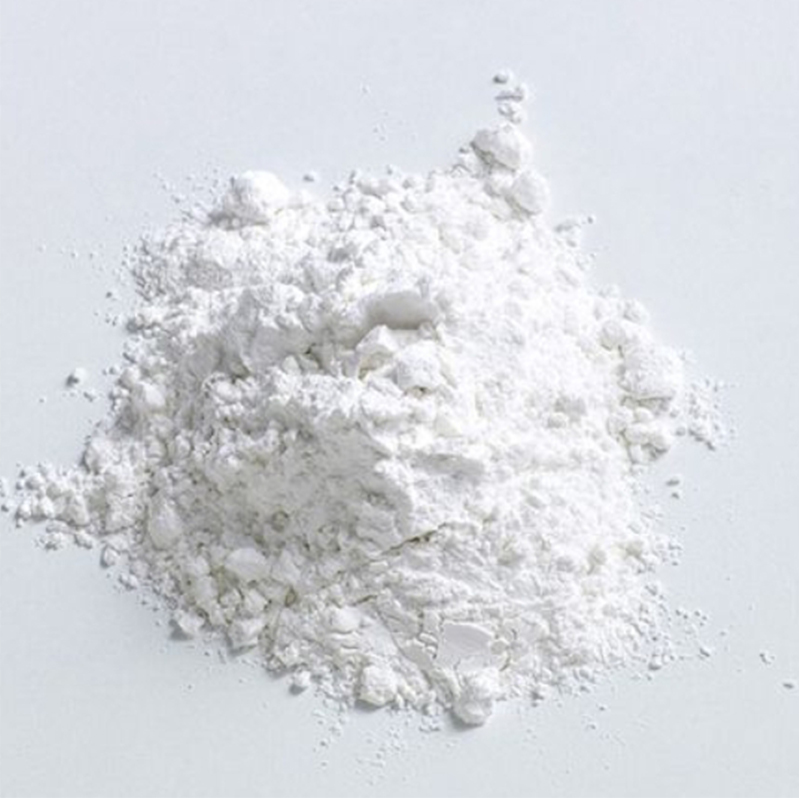
Calcium Hydroxide: This arrives as a non-corrosive dry powder. It does not freeze in winter. However, it requires significant bulk infrastructure. You must install dry storage silos, volumetric feeders, and slurry preparation tanks. It also requires continuous mechanical agitation to prevent settling.
Chemical reactions produce distinct byproducts. Lime generates a significantly higher volume of dense sludge. The calcium adds physical mass to the settled solids. Facilities must weigh their upfront chemical purchasing savings against potentially increased sludge disposal volumes. Conversely, sodium hydroxide produces very little sludge, but it leaves dissolved sodium in the effluent, which can cause compliance issues in certain sensitive watersheds.
Feature | Calcium Hydroxide (Lime) | Sodium Hydroxide (Caustic Soda) |
|---|---|---|
Physical State | Dry powder (mixed into slurry) | Corrosive liquid |
Neutralizing Power | Very High (two hydroxyl ions) | Moderate (one hydroxyl ion) |
Storage Needs | Dry silos, dust collection | Heated tanks, double containment |
Sludge Production | High volume, dense and heavy | Low volume, very light |
Operator Safety | Dust inhalation risk | Severe chemical burn risk |
Moving from theoretical chemistry to plant floor reality introduces challenges. Calcium hydroxide for water treatment requires specific engineering. You cannot simply dump the powder into a tank and expect flawless operation. Operators must actively manage the unique physical properties of lime slurries.
Lime slurries are notorious for scaling inside pipes. The suspended particles settle quickly if fluid velocity drops. This settling clogs injection valves and chokes off flow lines. Standard centrifugal pumps often fail when pumping thick lime slurry.
You must engineer specific solutions to combat this. Engineers highly recommend progressive cavity pumps or peristaltic hose pumps for lime dosing. Facility piping should feature short runs and eliminate sharp 90-degree elbows. Furthermore, operators must implement automated line flushing. Running clean water through the dosing lines at the end of every cycle prevents the slurry from hardening overnight.
Handling dry powder necessitates rigorous dust control. Uncontrolled lime dust coats facility floors and ruins sensitive electrical panels. More importantly, it threatens operator respiratory health.
Facilities must install active dust collection systems on all silo fill lines and feeder hoppers. Baghouse filters or wet scrubbers effectively capture fugitive dust. Operators must wear appropriate personal protective equipment, including respirators and safety goggles, during all maintenance activities involving dry lime.
Calcium hydroxide has incredibly low solubility in water. It does not dissolve like sugar or salt. Instead, it forms a mechanical suspension known as "milk of lime." Maintaining a stable, uniform suspension requires precise mixer engineering.
If the mixer stops, the lime particles rapidly settle to the bottom of the tank. This creates a concrete-like sludge layer. Tanks require continuous mechanical agitation. You must properly size the mixer impellers to keep the entire fluid volume moving. Avoid dead zones in the tank corners where solids can accumulate unnoticed.
Not all industrial lime is equal. Purchasing lower-grade lime introduces numerous hidden costs to your operation. Sourcing criteria heavily dictate your plant's overall efficiency. You must evaluate suppliers on specific chemical dimensions.
The available calcium oxide equivalent measures the actual neutralizing power of the chemical. High purity products deliver maximum reactivity. Lower purity lime contains unreacted limestone and inert rock. If you buy low-grade lime, you inherently require much higher dosing rates to achieve your target pH. You end up paying shipping costs for useless rock.
Impurities like silica, sand, and uncalcined carbonate do not contribute to water treatment. They act as destructive abrasives. High grit content rapidly destroys pump stators and erodes pipe elbows. Furthermore, grit settles quickly in preparation tanks, requiring frequent manual cleanouts.
Every pound of grit also ends up in your final clarifier. It unnecessarily increases your final sludge hauling volume. Prioritizing high purity ensures you minimize this useless inert waste.
Your treatment chemicals must not contaminate your effluent. Low-grade agricultural lime often contains naturally occurring trace metals. If the lime itself introduces lead or arsenic, you risk violating regulatory discharge limits. You must ensure your supplier guarantees strict heavy metal baselines.
When selecting a chemical partner, you need a rigorous shortlisting process. Follow these critical steps:
Request batch analyses: Always ask for recent Certificates of Analysis (COA) to verify chemical composition.
Evaluate supplier consistency: Ensure the supplier can deliver uniform particle size across multiple deliveries.
Calculate cost-per-active-ton: Never buy based on gross-tonnage price alone. Calculate the price based only on the active neutralizing ingredient.
Calcium hydroxide remains a foundational, highly economical solution for industrial water treatment. It delivers exceptional performance across pH adjustment, heavy metal precipitation, and biological sludge stabilization. By understanding its chemical behavior, you can leverage its massive neutralizing power to stay compliant with environmental regulations.
However, successful implementation demands respect for its physical properties. Your facility must be specifically engineered to handle dry powders and manage thick slurries. Proper pump selection, continuous agitation, and automated flush cycles define the difference between a smooth operation and constant maintenance shutdowns.
Before switching reagents or selecting a new supplier, you must take definitive action. Advise your engineering team to conduct a comprehensive jar testing phase to determine exact dosing curves for your specific effluent. Calculate your true operational expenditures, factoring in both the chemical price and the associated sludge disposal volumes. Making an informed, data-driven decision ensures long-term operational success and reliable regulatory compliance.
A: Quicklime (calcium oxide) requires an exothermic slaking process on-site to convert it into a usable slurry. This requires expensive slaking equipment and generates intense heat. Hydrated lime (calcium hydroxide) is pre-slaked by the manufacturer. It arrives as a ready-to-mix dry powder, making it much safer and easier to handle for most facilities.
A: Dosing rates vary wildly. The exact amount depends entirely on your initial effluent pH, your target pH, and the specific buffering capacity of your wastewater stream. Operators must perform site-specific jar testing to plot an accurate titration curve. This ensures accurate dosing without wasteful over-correction.
A: Yes, municipal plants frequently use it for potable water pH adjustment and softening. However, you must verify that the specific product meets stringent regulatory standards. Ensure the chemical carries proper certifications, such as AWWA compliance and NSF/ANSI 60 certification, guaranteeing it is safe for human consumption systems.
A: Prevention relies on fluid dynamics and routine maintenance. Maintain continuous, high-flow velocities inside the pipes. Eliminate sharp 90-degree elbows, using sweeping curves instead. Most importantly, implement automated water-flush cycles to clear the lines immediately whenever the dosing pumps shut down.