close
Choose Your Site
Global
Social Media

Views: 0 Author: Site Editor Publish Time: 2026-10-02 Origin: Site
Treating calcium hydroxide (slaked lime) as a simple commodity carries significant procurement risk. Competing solely on a per-ton price often leads to hidden costs via batch inconsistency, equipment wear, or unexpected production downtime. In reality, this material plays a critical role in chemical manufacturing. You will find it absolutely essential for precise pH regulation, stearate production, and demanding water treatment processes. When raw inputs vary in quality, your entire production yield suffers.
Therefore, building a resilient supply chain requires evaluating a calcium hydroxide supplier based on technical consistency, logistical infrastructure, and stringent quality control, rather than just the lowest initial quote. In this comprehensive guide, we will explore the exact steps needed to source this vital chemical safely. You will learn the seven fundamental factors that guarantee long-term operational success beyond baseline pricing.
Evaluate technical specifications beyond baseline purity, focusing on particle size distribution and impurity profiles (e.g., silica, heavy metals).
Assess the supplier's packaging infrastructure to prevent carbonation and moisture degradation during transit.
Prioritize manufacturers with verifiable compliance records (ISO, REACH, SDS transparency) and robust QA/QC laboratory processes.
Analyze supply chain resilience, including production capacity, lead times, and emergency volume scalability.
Procurement teams often face pressure to secure the lowest possible price for raw materials. However, choosing substandard slaked lime causes severe downstream consequences. Cheap materials rarely perform predictably. When you introduce low-grade chemicals into a sensitive manufacturing environment, you compromise your entire operation.
First, consider the direct impact on product yield. Chemical reactions depend on consistent reactivity rates. When a batch contains varying surface areas or excess moisture, it alters how the chemical reacts. Operators must constantly adjust processing times or dosing ratios. This unpredictability leads directly to rejected final product batches.
Second, substandard materials accelerate equipment wear. Low-tier products often harbor abrasive impurities like unreacted silica or magnesia. These hard particles act like sandpaper inside your processing lines. They cause premature wear on expensive slurry pumps, delicate valves, and filtration systems. The maintenance burden quickly spirals out of control.
Finally, buyers must recognize the price illusion. A 10% saving on raw material can easily translate into a 30% increase in operational costs. You spend the initial savings on extra mechanical filtration, emergency maintenance, and compensating for process inefficiencies. Always evaluate the full financial impact rather than the initial invoice value.
Any chemical-grade application requires a strict baseline standard. Typically, industrial buyers demand greater than 95% Ca(OH)2. However, nominal purity only tells part of the story. You must source reliable high purity calcium hydroxide that guarantees a high "available lime index."
The available lime index measures the actual amount of the chemical ready to participate in a reaction. Some lower-grade powders show high total calcium, but much of it exists as unreacted calcium carbonate (limestone core). This inactive core acts as dead weight in your reactors. It consumes energy, adds to sludge disposal volumes, and slows down chemical synthesis.
Best Practice: Always ask your supplier to specify the available lime index alongside the total purity percentage. They should routinely guarantee high reactivity rates.
Even small traces of unwanted elements can disrupt complex chemical manufacturing. You must verify a supplier's tolerance limits for specific impurities. Magnesium oxide (MgO), silica (SiO2), iron (Fe2O3), and various heavy metals are the most common offenders.
Specific impurities trigger severe unwanted side reactions. For example, excess iron causes unacceptable color variations in the final chemical synthesis. This ruins batches where optical clarity or white coloration is mandatory. Meanwhile, heavy metals pose severe regulatory risks, especially if your downstream product touches water treatment or agriculture.
Common Impurities and Their Downstream Impacts
Impurity Type | Typical Acceptable Limit | Operational Impact if Exceeded |
|---|---|---|
Silica (SiO2) | < 0.5% | Severe abrasive wear on pumps and valves; creates insoluble sludge. |
Magnesium Oxide (MgO) | < 1.0% | Alters reactivity rates; causes unpredictable pH buffering. |
Iron (Fe2O3) | < 0.1% | Causes unwanted yellow or brown discoloration in final products. |
Heavy Metals (Pb, As) | < 10 ppm | Triggers compliance failures in downstream environmental applications. |
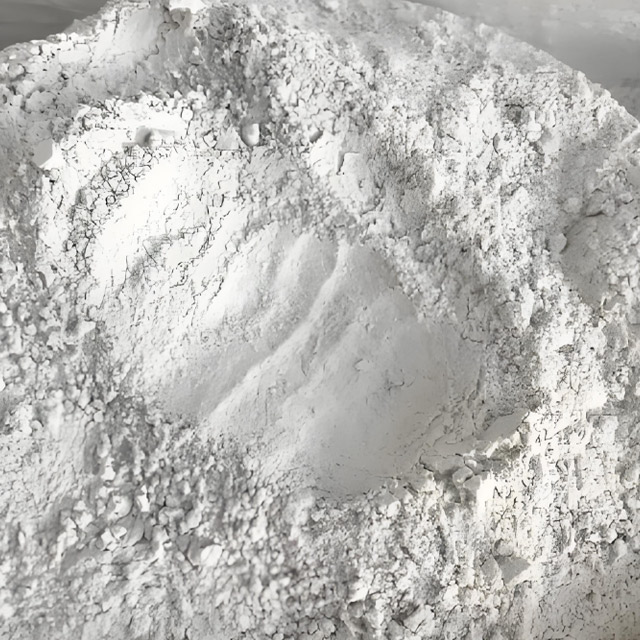
You cannot judge a powder solely by its chemical makeup. Physical characteristics matter immensely. A consistent Particle Size Distribution (PSD) dictates how well the powder disperses in liquids. For standard chemical applications, buyers often require a strict 325 mesh pass rate.
If the PSD varies wildly from batch to batch, operators struggle to maintain uniform dispersion. Larger, coarse particles sink rapidly. This ruins suspension stability when you formulate slurries. Conversely, ultrafine dust creates extreme handling hazards and clumping issues. A consistent PSD ensures smooth fluid dynamics and predictable reaction kinetics.
Calcium hydroxide is highly reactive with its environment. It acts as a hygroscopic material, actively absorbing moisture from the air. Worse, it eagerly reacts with atmospheric carbon dioxide (CO2). This exposure converts the valuable hydroxide back into useless calcium carbonate.
You must evaluate how your chosen industrial hydrated lime supplier mitigates these risks during packaging and transit. Standard paper sacks are insufficient for long-term storage. Look for suppliers utilizing multi-wall moisture-barrier bags or hermetically sealed FIBCs (jumbo bags). These specialized barriers drastically reduce carbonation.
Common Mistake: Storing standard bags in high-humidity warehouses for more than three months. Even good packaging eventually yields to environmental moisture. Prioritize suppliers who offer freshly milled, well-sealed inventory.
High-volume buyers face entirely different logistical challenges. When ordering massive quantities, handling individual bags becomes inefficient. Therefore, assessing a supplier's bulk logistics infrastructure is crucial. You need seamless delivery of bulk calcium hydroxide directly into your facility's silos.
Investigate their transport fleets. Do they use dedicated pneumatic bulk tankers? Shared trailers often lead to devastating cross-contamination with other industrial powders. Furthermore, top-tier suppliers offer silo telemetry integration. This technology monitors your on-site inventory levels remotely and dispatches predictable deliveries before you ever risk a stockout.
Trust but verify. A reputable calcium hydroxide manufacturer will proactively provide exhaustive documentation. You should expect instant access to current Safety Data Sheets (SDS) and clear regulatory compliance statements (like REACH for European markets).
Furthermore, demand Certificates of Analysis (CoA) tied directly to your specific batch. Do not accept a generic CoA. Here is a critical evaluation point: ask for historical CoA data spanning the last six to twelve months. Many vendors can produce one "golden sample" for initial qualification. However, real operational excellence shows in batch-to-batch consistency over a full year of seasonal mining variations.
Look for active ISO 9001 (Quality Management) and ISO 14001 (Environmental Management) certifications. These accreditations prove the manufacturer follows standardized, auditable processes rather than ad-hoc production methods.
Your relationship with a supplier should extend beyond a transaction. Evaluate their capability to offer active technical troubleshooting. For example, if seasonal temperature shifts affect your slurry viscosity, can their lab technicians help you adjust formulations? Strong suppliers act as extensions of your engineering team.
Additionally, verify their Environmental, Health, and Safety (EHS) track record. A manufacturer with constant safety violations or environmental fines presents a massive supply chain risk. Regulatory shutdowns at their plant mean empty silos at yours. Ethical sourcing and strict EHS alignment ensure long-term operational viability for both parties.
Moving from a list of potential vendors to a finalized contract requires a disciplined approach. Use the following structured methodology to audit your next chemical partner effectively.
Initial Filtering: Start by cross-referencing their stated production capacity with your annual volumetric needs. A supplier must comfortably handle your baseline demand while retaining emergency volume scalability for unexpected demand surges.
The Sampling Protocol: Never rely on a tiny lab-scale sample. These are easily manipulated. Instead, request pilot-scale samples (e.g., a full 1-ton supersack). Testing under true production conditions reveals handling issues, dust generation, and real-world reactivity.
Facility Audit Execution: Schedule an in-person or detailed virtual site visit. Pay close attention to raw material storage. Is the quicklime kept dry? Evaluate their hydration technology and calcination controls. Finally, inspect their on-site QA/QC laboratory. It should feature modern, calibrated equipment, not just dusty titration beakers.
Contract Structuring: Do not sign generic purchase orders. Establish robust Service Level Agreements (SLAs) within your contract. Clearly define maximum impurity thresholds, minimum available lime indexes, and strict financial penalties for late deliveries or out-of-spec batches.
Selecting a primary chemical supplier represents a strategic risk-management decision, not just a routine purchasing task. Treating raw inputs as simple commodities creates severe blind spots in your operational planning. Overlooking impurity profiles or accepting weak packaging invariably leads to costly disruptions down the line.
Your long-term profitability in chemical manufacturing hinges entirely on reliable, high-purity inputs. When your raw materials react predictably, your operators spend less time troubleshooting and more time optimizing output. Equipment lasts longer, yields remain high, and end-customers stay satisfied.
Take control of your procurement strategy today. We encourage procurement teams and facility engineers to request a detailed technical consultation. Compare historical CoAs, demand pilot-scale samples, and schedule a rigorous facility audit with a fully vetted manufacturer to secure your supply chain.
A: The primary difference lies in heavy metal limits and strict regulatory compliance. Food-grade options adhere to rigorous FDA or Food Chemicals Codex (FCC) standards, guaranteeing extremely low levels of lead and arsenic. Industrial-grade focuses heavily on reactivity and basic purity for standard chemical processing, where minor trace elements pose less safety risk.
A: Under optimal conditions in a dry, climate-controlled environment, it typically lasts 6 to 12 months. However, shelf life heavily depends on packaging and ambient humidity. Poorly sealed bags allow atmospheric CO2 and moisture to penetrate, rapidly converting the material into unreactive calcium carbonate.
A: Rapid settling usually indicates inconsistent Particle Size Distribution (PSD) or the presence of heavy, unreacted core particles. If the manufacturer fails to mill the powder to a uniform, fine mesh size (like 325 mesh), the larger, heavier particles cannot maintain stable suspension in the liquid phase.
A: Beyond the basic purity percentage, you must check the Available Ca(OH)2 (active lime index). Additionally, review the acid insoluble matter (indicating abrasive silica), moisture content, and specific gravity. These metrics confirm both the chemical reactivity and the physical cleanliness of the batch.